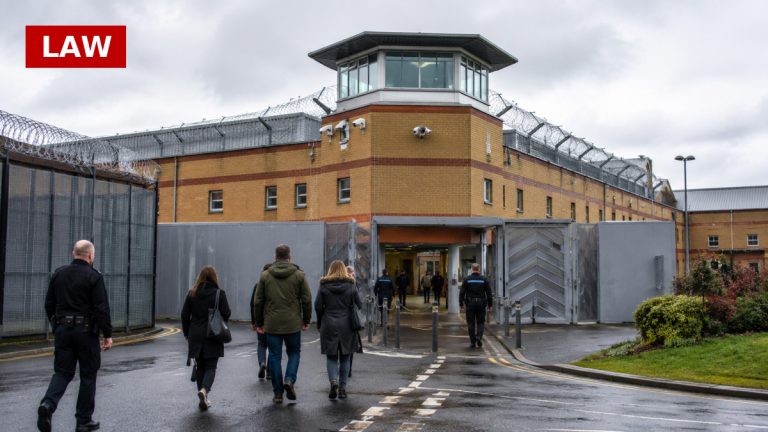
The UK government’s early prisoner release scheme is stirring significant public outcry, particularly regarding its implications for violent offenders. Critics are alarmed that the scheme will allow the early release of domestic abusers and killers, including those convicted of high-profile cases like that of police officer Andrew Harper’s murderers. This has raised concerns about the safety of vulnerable populations, especially women and children, as highlighted by the domestic abuse commissioner.
Prime Minister Andy Burnham has defended the necessity of the scheme, stating that without it, the prison system could face collapse. However, his inability to exclude certain offenders has led to accusations of negligence towards public safety. The backlash is not just political; it reflects a growing anxiety among the public about the justice system’s priorities and its impact on community safety.
The media coverage has intensified scrutiny on the government’s approach to crime and punishment, with various papers highlighting the potential risks involved in releasing violent offenders. This situation may influence public opinion and future policy decisions, as citizens demand more stringent measures to protect victims of domestic violence and other crimes.
As the debate continues, the implications of this policy could extend beyond immediate safety concerns, potentially reshaping the landscape of UK criminal justice and public trust in government institutions. The ongoing discussions may also affect how future policies are crafted, particularly in balancing rehabilitation with public safety.
Source: BBC News