The recent elections in Germany saw the far-right Alternative for Germany (AfD) party make significant gains, particularly in Mecklenburg-Western Pomerania, where it secured 37.9% of the vote. Despite this success, the party faces a critical challenge: it lacks the necessary coalition partners to form a government. This situation underscores the growing political divide in Germany, as mainstream parties are increasingly reluctant to align with the AfD, which is viewed by many as a threat to democratic values.
The AfD’s co-leader, Tino Chrupalla, expressed confidence in their mandate to govern, yet the reality is stark. With no viable coalition options, the party is likely to remain in opposition, which could limit its influence on policy-making. This political isolation may also hinder the AfD’s ambitions for future elections, as they struggle to convert electoral success into tangible governance.
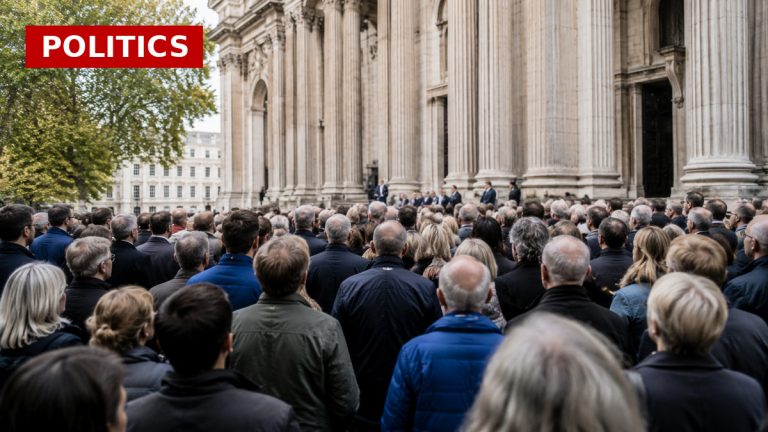
Moreover, the party’s rise has sparked significant public backlash, with protests aimed at curbing its influence. Voter mobilization against the AfD indicates a societal pushback against far-right ideologies, suggesting that while the party may gain votes, it also faces increasing scrutiny and resistance from the electorate.
As the AfD navigates its next steps, the implications for German politics are profound. The party’s inability to form a government could lead to a re-evaluation of its strategies and alliances, potentially reshaping the political landscape in the coming years. The ongoing tensions and public sentiment surrounding the AfD will be crucial in determining its future trajectory in German politics.
Source: DW News