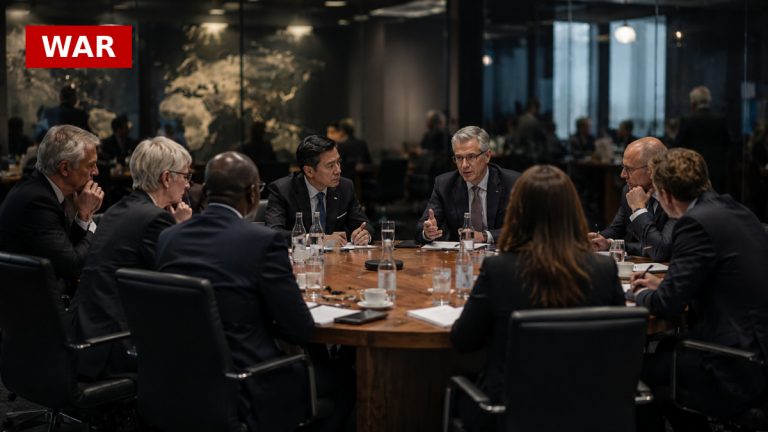
A recent memorandum signed by US President Donald Trump and Iranian President Masoud Pezeshkian aims to bring an end to the ongoing conflict in the Middle East. This agreement, signed at the Palace of Versailles, is seen as a significant step towards regional stability, with immediate effects expected on commercial shipping and oil sanctions.
The deal includes the reopening of the Strait of Hormuz, a critical maritime route, and the lifting of the US naval blockade. This could lead to a substantial boost in Iran’s economy, as the US will also waive oil sanctions, allowing for the release of a $300 billion reconstruction fund once a broader agreement on Iran’s nuclear program is established.
While the agreement has been welcomed by many, it has faced criticism from some US lawmakers who argue that it does not adequately address Iran’s nuclear ambitions. The deal’s success hinges on Iran’s commitment to dilute its enriched uranium stockpile and comply with international oversight, which will be closely monitored.
As negotiations continue, the potential for a lasting peace in the region could reshape economic and political dynamics, impacting global oil prices and trade routes. The upcoming talks in Switzerland will be crucial in determining the future of this agreement and its implications for international relations.
Source: Radio Free Europe/Radio Liberty