Ukraine’s recent large-scale drone attack on Moscow marks a significant escalation in the ongoing conflict, with implications that extend beyond immediate military objectives. By targeting the Moscow oil refinery, Ukraine aims to disrupt Russia’s war funding, highlighting a shift in strategy that could alter the dynamics of the war. This attack is not just a retaliation; it signals Ukraine’s growing capability and willingness to strike deep into Russian territory, potentially reshaping the battlefield and diplomatic landscape.
The timing of the attack is crucial, coinciding with a summit of Southeast Asian leaders where Russian President Vladimir Putin was expected to project stability. Instead, the drone strikes serve as a stark reminder of the vulnerabilities within Russia, undermining its narrative of control and security. As Kyiv intensifies its operations, the psychological impact on Russian leadership and public perception could lead to increased pressure on Putin to respond decisively, possibly escalating the conflict further.
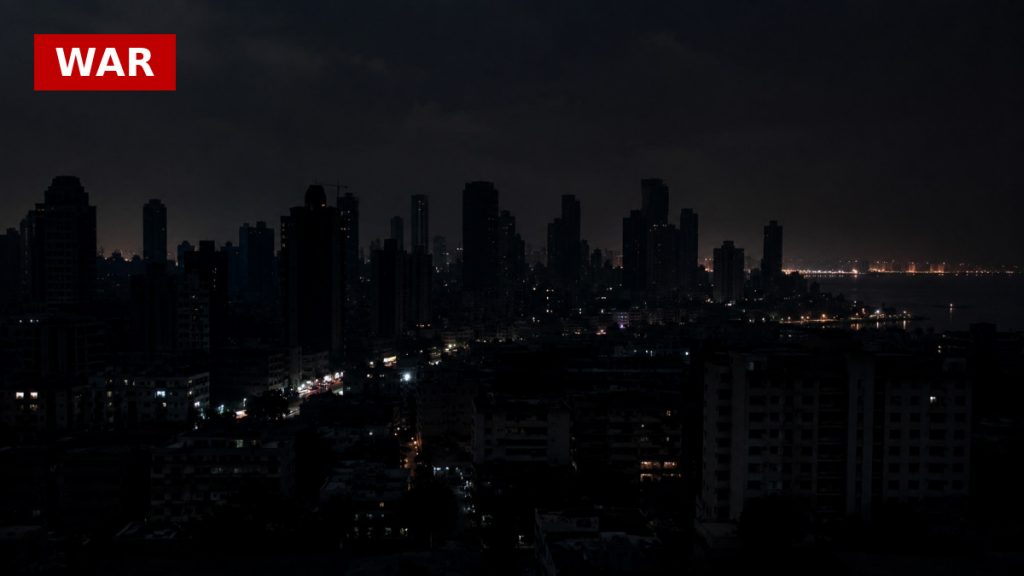
Moreover, the attack has immediate consequences for civilian life in Moscow, with evacuations at major airports and disruptions to daily routines. The incident underscores the war’s reach, affecting not just military targets but also civilian infrastructure and safety. As air defenses are tested, the effectiveness of Russia’s military response will be scrutinized, potentially influencing future engagements and strategies on both sides.
As the conflict continues, the implications of this attack could resonate for months. With diplomatic talks stalled and military actions intensifying, the situation remains fluid. Observers will be watching closely to see how this shift in tactics affects the broader geopolitical landscape and the potential for renewed discussions on peace, or further escalation into a more destructive phase of the war.
Source: France 24