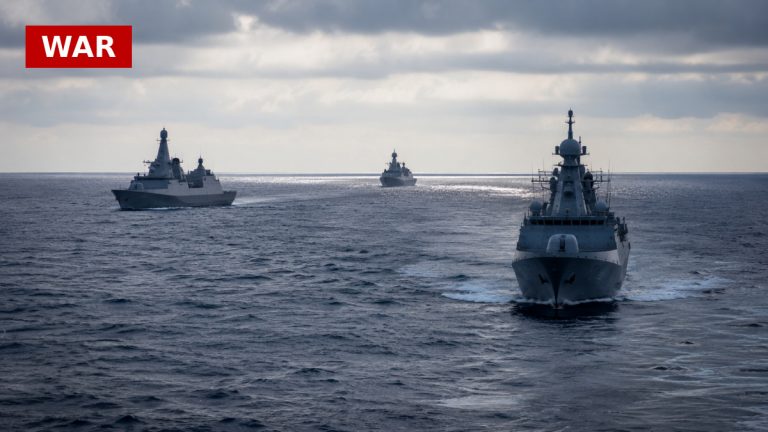
In a notable change of strategy, President Trump is opting for economic pressure on Iran rather than military action. This shift comes as the US tightens its naval blockade, significantly impacting Iran’s oil exports, which are crucial for its economy. The blockade aims to reduce Iran’s oil revenue, already strained by years of sanctions and internal mismanagement.
This economic approach reflects a broader trend in US foreign policy, where economic tools are increasingly preferred over military interventions. Trump’s administration believes that by crippling Iran’s economy, they can force Tehran to negotiate more favourable terms without escalating military conflict. However, this strategy raises questions about its effectiveness, especially given Iran’s ability to retaliate against US interests in the region.
The implications for global oil markets are also significant. With oil prices fluctuating, the US hopes that reduced Iranian exports will stabilise prices for American consumers. Yet, the ongoing conflict and the potential for further escalation could disrupt these markets, leading to unintended consequences for the global economy.
As the situation develops, the effectiveness of this economic pressure will be closely monitored. If it fails to yield results, the US may find itself reconsidering its military options, which could lead to a more volatile situation in the Middle East.
Source: Al Jazeera