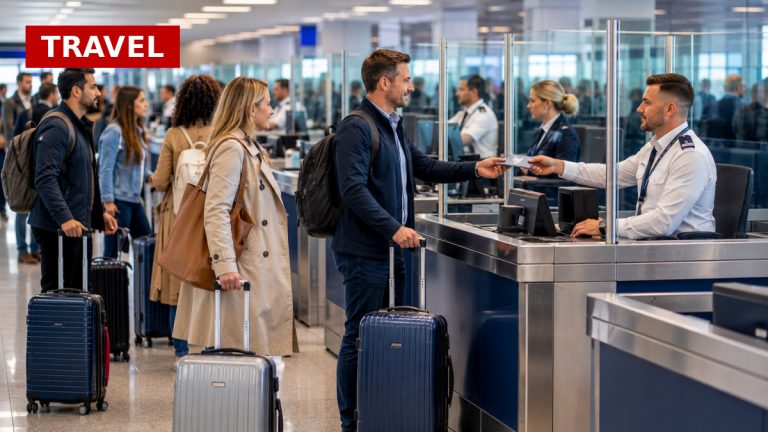
UK airports are grappling with significant disruption following a technical glitch in the air traffic control system. On Tuesday alone, over 1,300 flights were cancelled, with Heathrow bearing the brunt of the chaos. As of Wednesday, an additional 250 flights were scrapped, leading to widespread frustration among travellers. The National Air Traffic Services (NATS) has acknowledged the complexity of the recovery process, indicating that it may take time for the aviation network to return to normal.
The ripple effects of this disruption extend beyond immediate cancellations. Passengers are experiencing delays and uncertainty, with many airlines struggling to manage the backlog. British Airways and Ryanair have reported tens of thousands of affected customers, highlighting the operational strain on airlines. This incident raises questions about the reliability of the UK’s air traffic management systems, especially given a similar glitch occurred last year, affecting hundreds of thousands of passengers.
As airports like Heathrow and Gatwick work to resume normal operations, the impact on travel plans is palpable. Passengers are advised to check with their airlines before heading to the airport, as ongoing disruptions are expected. The situation has prompted calls for accountability within NATS, with some airline executives demanding leadership changes to prevent future failures.
This incident serves as a stark reminder of the vulnerabilities within the UK’s aviation infrastructure. With travel demand rebounding post-pandemic, ensuring robust systems is crucial for maintaining passenger confidence and operational efficiency in the aviation sector.
Source: Euronews