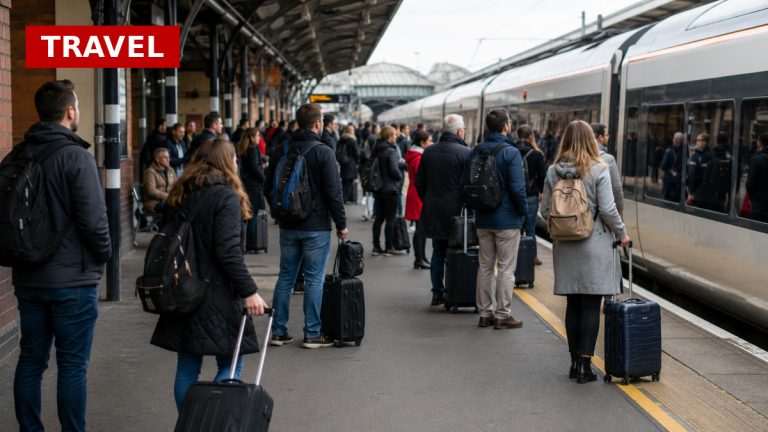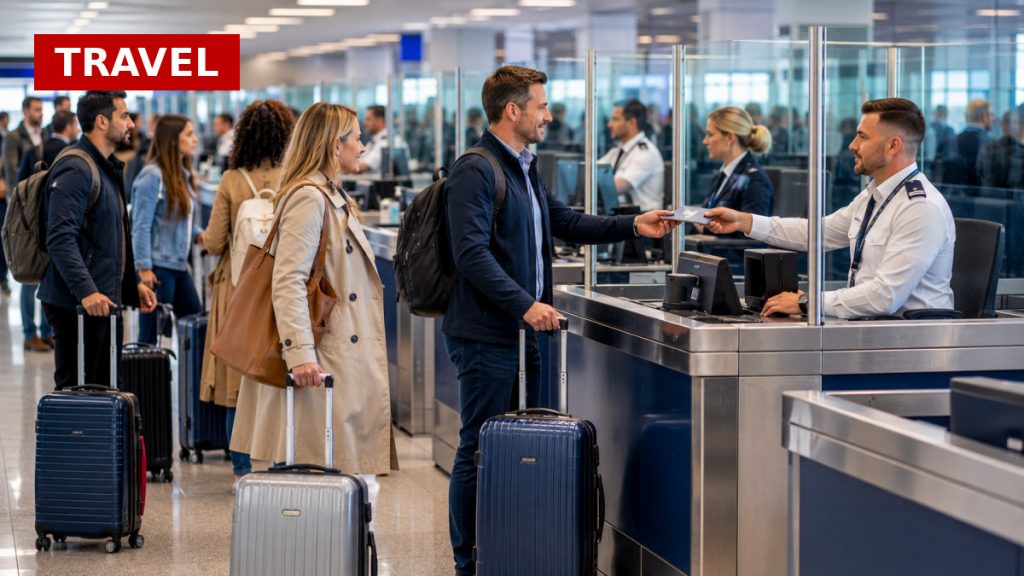
The recent air traffic control glitches in the UK have sparked significant criticism from airlines, highlighting vulnerabilities in the National Air Traffic Services (NATS) systems. EasyJet and Wizz Air have voiced concerns over the reliability of air traffic management, with EasyJet questioning the resilience of NATS following a second disruption this month. This incident not only delayed numerous flights but also affected thousands of passengers, raising questions about the overall efficiency of the UK’s air transport infrastructure.
The impact of these glitches extends beyond immediate flight delays. Airlines are now calling for urgent reforms to bolster the air traffic control system, which could lead to increased operational costs and potential fare hikes for passengers. The repeated failures suggest a systemic issue that could undermine public confidence in air travel, especially during peak holiday seasons when travel demand surges.
Passengers have expressed frustration, with many experiencing cancellations and delays that disrupt their travel plans. The emotional toll on families, such as those who were en route to Disneyland Paris, underscores the real-world implications of these technical failures. As airlines demand accountability and improvements, the pressure mounts on NATS to ensure that safety and efficiency are prioritised.
Looking ahead, the aviation industry may face a shift in regulations and oversight to prevent future disruptions. This could involve investments in technology and infrastructure upgrades, which may ultimately reshape the landscape of air travel in the UK. The ongoing scrutiny of NATS will likely influence how air traffic control operates, aiming to restore confidence among airlines and passengers alike.
Source: BBC News