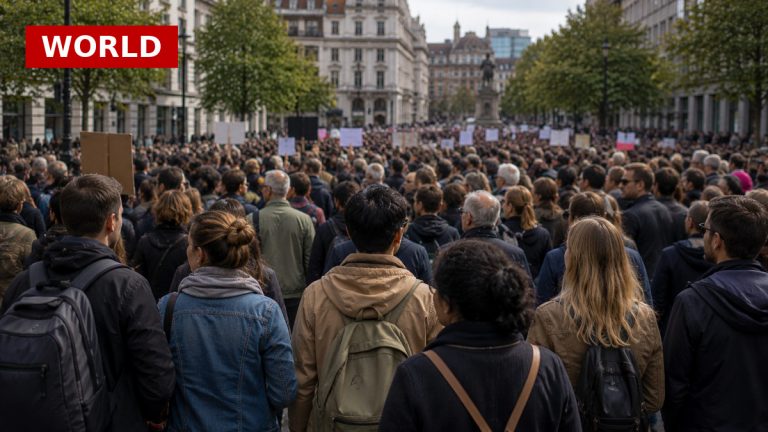
Amnesty International’s recent report reveals alarming instances of excessive force used by Indian police during youth-led protests. The protests, which erupted over exam irregularities, escalated into a broader movement addressing unemployment and perceived authoritarianism under Prime Minister Narendra Modi. Amnesty’s findings contradict police claims that force was only used in response to violence from demonstrators.
The report details the deployment of pellet guns, electric shock devices, and tear gas against protesters, raising serious concerns about human rights violations. Witness accounts and verified footage indicate that police actions breached both international law and domestic guidelines. This heavy-handed response has sparked outrage and calls for accountability.
The protests have become a significant challenge for Modi’s government, highlighting widespread discontent among young people. Opposition leader Rahul Gandhi has joined the movement, demanding investigations into police conduct. The situation underscores a growing tension between state authority and civil liberties in India.
As these protests continue, the implications for governance and public trust are profound. The government’s handling of dissent may shape future political dynamics, as citizens increasingly demand transparency and accountability in law enforcement.
Source: Euronews