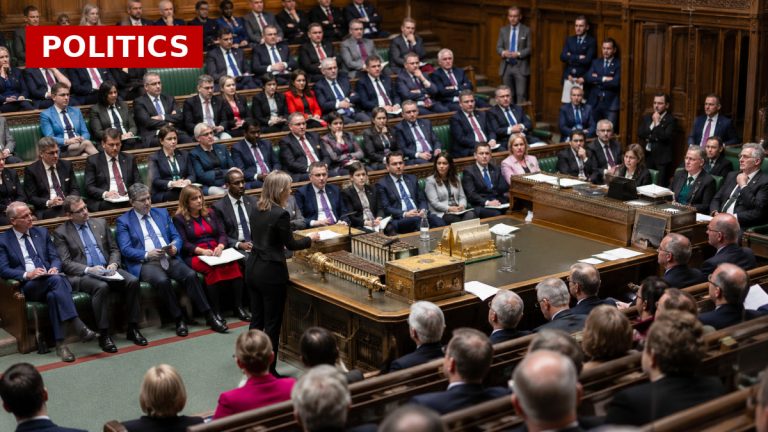
The resignation of Keir Starmer as Prime Minister has set the stage for Andy Burnham to potentially take the reins of the Labour Party unopposed. This shift is significant not just for Labour, but for the broader political landscape in the UK, as Burnham prepares to outline his policies aimed at addressing pressing issues like the economy and devolution.
Burnham’s ascension could signal a departure from Starmer’s approach, particularly in economic policy, where he is considering appointing Ed Miliband as Chancellor. This move could challenge traditional Treasury orthodoxy and reshape Labour’s economic narrative, especially in light of the rising threat from Reform UK.
As Burnham gears up for leadership, the implications for Labour’s strategy in the next general election are profound. His policies will likely reflect a more populist approach, resonating with voters who feel disconnected from mainstream politics. This could alter Labour’s relationship with both business and trade unions, as he navigates the complexities of his proposed changes.
The timeline for this transition is tight, with Burnham expected to enter No 10 by mid-July. The speed of this change may catch many off guard, but it also presents an opportunity for Labour to redefine itself ahead of the next election, potentially revitalising its appeal to the electorate.
Source: The Guardian