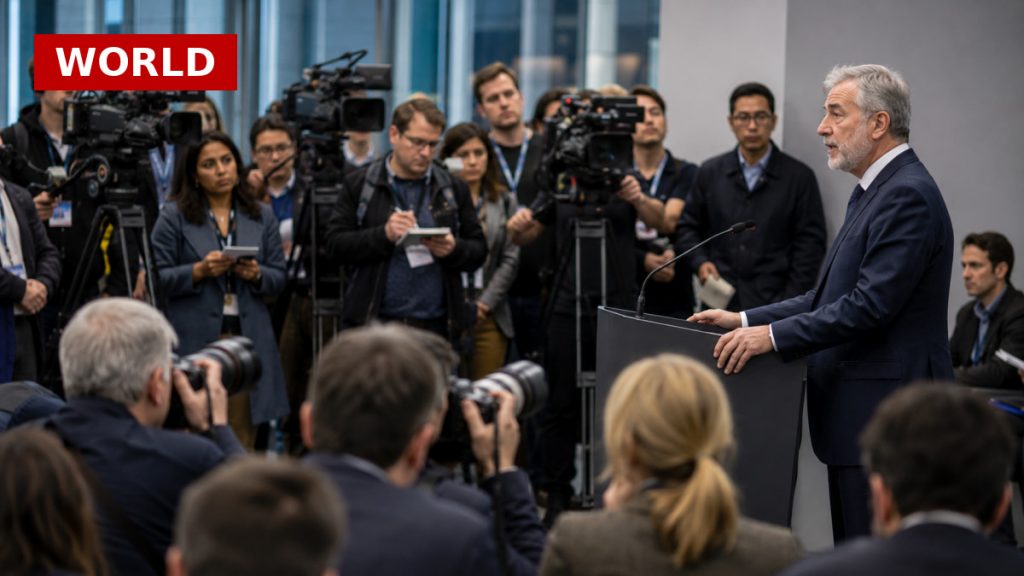
Bulgaria’s Prime Minister Rumen Radev has threatened to veto the EU’s latest sanctions against Russia, which include Patriarch Kirill and former Lukoil president Vagit Alekperov. This move is significant as it highlights Bulgaria’s potential shift towards prioritising domestic interests over EU unity. Radev argues that the sanctions could harm Bulgaria’s economy, particularly affecting its oil refinery operations and fertilizer supplies.
The backdrop of this veto threat is Bulgaria’s recent ban on arms supplies to Ukraine and a growing sentiment among Bulgarians against sanctions on Russia. With nearly half of the population opposing such measures, Radev’s stance resonates with pro-Russian sentiments, raising concerns about the country’s foreign policy direction.
Critics, including opposition parties, accuse Radev of allowing Russian interests to shape Bulgaria’s foreign policy. This situation is compounded by historical inaccuracies in Radev’s arguments regarding the Russian Orthodox Church’s role in Bulgaria’s past, which some historians have challenged.
As Bulgaria considers its position, the implications for EU cohesion are profound. Other member states have previously blocked sanctions, but Bulgaria’s potential veto could signal a broader trend of fragmentation within the EU’s approach to Russia, complicating efforts to apply pressure on Moscow amid ongoing conflicts.
Source: DW News