The upcoming primary elections in Maryland, Utah, and New York are set against a backdrop of significant redistricting battles that could reshape political power. In Utah, the Democratic primary is particularly noteworthy as it features an open format, allowing non-Democrats to influence the outcome. This could lead to unexpected results, as Republicans and independents may sway the vote in favour of a candidate who aligns more closely with their interests.
In Maryland, state Senator Bill Ferguson faces a rare challenge from within his party, stemming from his refusal to support a redistricting plan that could have strengthened Democratic representation. This internal conflict highlights the tension between party strategy and voter representation, raising questions about the integrity of electoral processes.
The stakes are high as these primaries will not only determine candidates for the upcoming midterms but also reflect broader trends in voter engagement and party dynamics. With the House of Representatives currently under Republican control, these elections could significantly impact the balance of power.
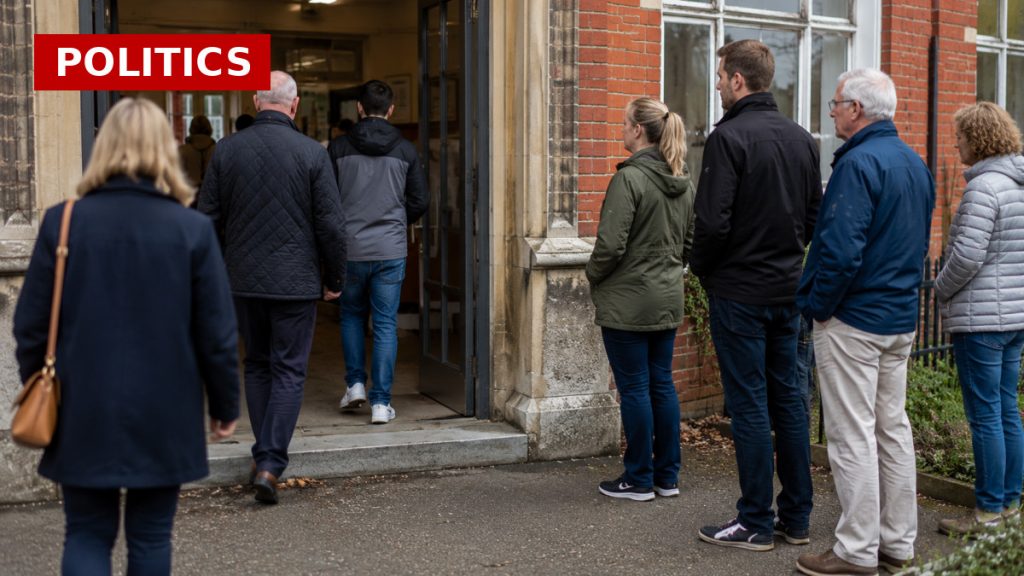
As voters head to the polls, the implications of redistricting and party strategies will be closely watched, potentially setting the stage for a contentious midterm election season. The outcomes in these states could serve as a bellwether for national trends in voter behaviour and party alignment.
Source: Al Jazeera