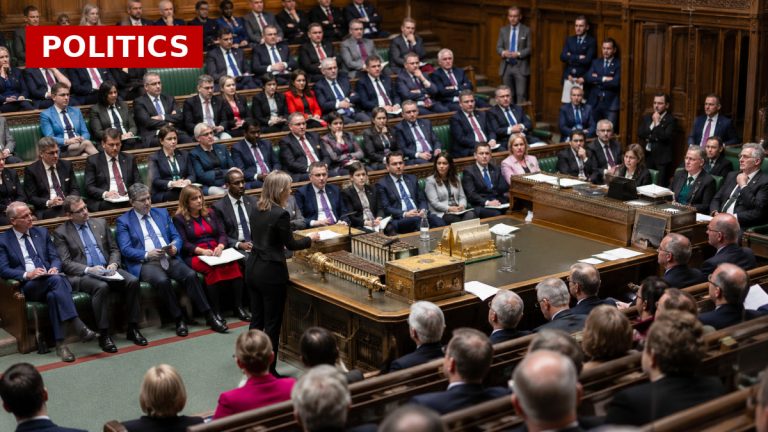
Andy Burnham has officially nominated himself as the sole candidate in the Labour leadership contest, casting a vote for himself. This unusual scenario highlights a significant shift in Labour’s political landscape, as he is poised to succeed Sir Keir Starmer without facing any challengers. With 322 Labour MPs already backing him, Burnham’s ascension appears almost certain, marking a pivotal moment for the party.
The implications of Burnham’s leadership extend beyond mere party dynamics. His anticipated policies, particularly regarding national security and foreign relations, signal a continuity in Labour’s approach, especially concerning NATO and support for Ukraine. This continuity may reassure voters concerned about stability in a time of geopolitical uncertainty.
Moreover, Burnham’s acknowledgment of Labour’s previous handling of the Gaza conflict indicates a potential shift in the party’s stance on international issues. His commitment to addressing these concerns could reshape public perception and voter trust, especially among those who felt let down by past responses.
As Burnham prepares for what many see as a coronation rather than a contest, the Labour Party faces a crucial test of unity and direction under his leadership. The absence of competition may streamline decision-making but also raises questions about democratic engagement within the party, potentially impacting its future electoral strategy.
Source: GB News