Recent discussions have highlighted a curious human tendency to walk anticlockwise, a behaviour first noted by French physiologist Raphaël Dubois in the 19th century. Dubois observed this phenomenon during the 1900 Universal Exhibition in Paris, coining the term “antikinetic gyratory movement” to describe the left-turn bias he attributed to the Earth’s rotation. This insight not only sheds light on pedestrian behaviour but also raises questions about how such patterns may influence social interactions and crowd dynamics.
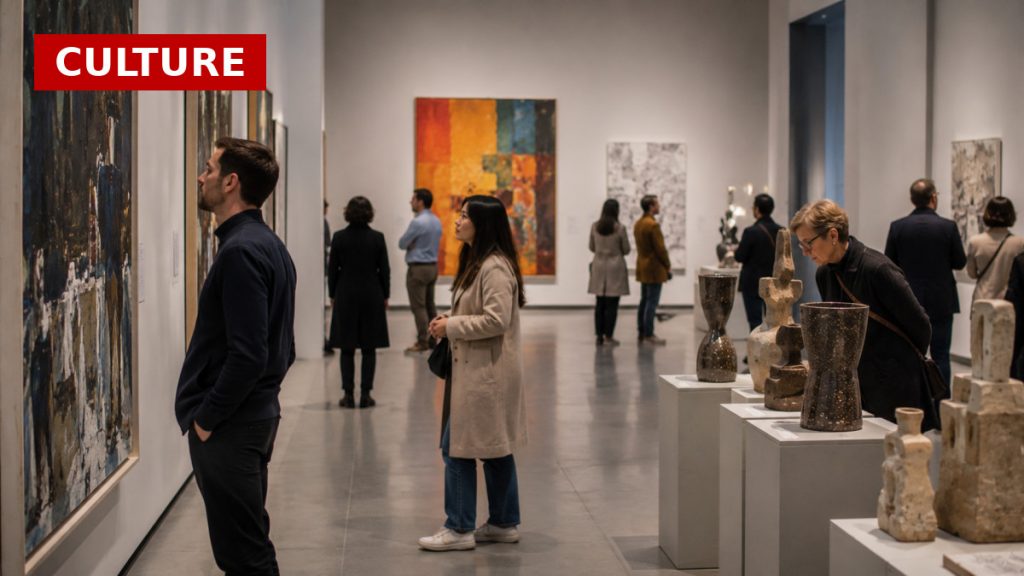
The implications of Dubois’s research extend beyond mere curiosity. Understanding why people gravitate towards left turns could inform urban planning and design, particularly in crowded spaces like theme parks and museums. By recognising these patterns, planners can create environments that facilitate smoother movement and reduce congestion, ultimately enhancing visitor experiences.
Moreover, Dubois’s theories have historical significance, as he applied them to explain migration patterns and even the dynamics of war. This connection suggests that our physical behaviours may reflect deeper societal trends, potentially influencing how communities evolve and respond to challenges.
As we continue to explore the reasons behind our walking habits, it becomes clear that such seemingly trivial behaviours can have profound implications for our daily lives and societal structures. The next time you find yourself in a crowd, consider how these historical insights might shape your experience.
Source: The Guardian