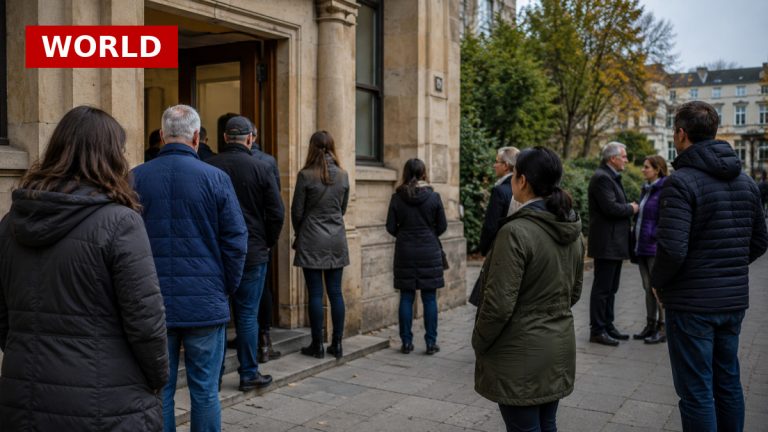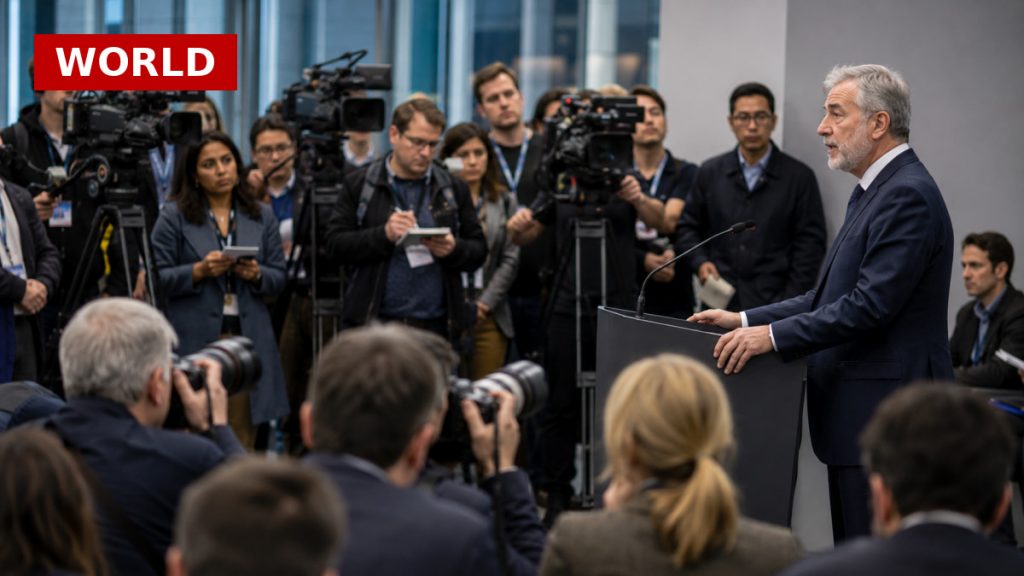
Armenia is at a crossroads as it heads to the polls, with the outcome poised to reshape its future and that of the South Caucasus. Prime Minister Nikol Pashinyan’s pro-Western pivot, following a historic peace agreement with Azerbaijan, is under scrutiny as he faces a fragmented pro-Russian opposition. The election results could solidify Armenia’s strategic alignment away from Moscow, especially as the EU and US express strong support for Pashinyan’s leadership.
The stakes are high, with a Breavis poll suggesting Pashinyan could secure over 60% of the vote, a decisive mandate that would further entrench his vision for a peaceful future. However, the election is marred by allegations of Russian interference, with reports of increased voter mobilization from Russia and arrests of opposition candidates. This backdrop of tension highlights the fragile balance Armenia must maintain between Western aspirations and Russian pressures.
Pashinyan’s campaign has focused on the need for a peaceful resolution to the long-standing conflict over Karabakh, arguing that abandoning the region was necessary for Armenia’s survival. His rhetoric emphasizes a future-oriented approach, seeking to break the cycle of conflict that has plagued the nation for generations. Yet, he also acknowledges the importance of maintaining a relationship with Russia, indicating a complex diplomatic landscape ahead.
As voters cast their ballots, the implications of this election extend beyond Armenia. A shift towards the West could alter regional dynamics, potentially escalating tensions with Russia. The outcome may not only define Armenia’s foreign policy but also influence the broader geopolitical landscape in the South Caucasus, making this election a pivotal moment in the region’s history.
Source: Euronews