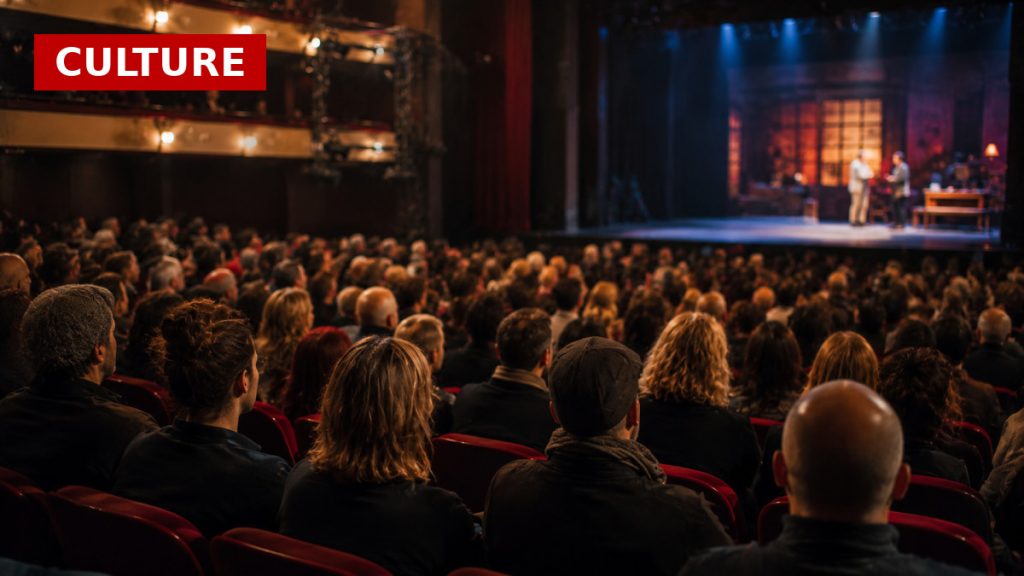
Virginia Woolf’s literary legacy is experiencing a resurgence, particularly with the recent adaptation of her novel “Night and Day”. This film, featuring a contemporary love triangle, highlights themes of ambition and societal constraints, resonating with today’s audiences. Woolf’s exploration of female experience and identity is more relevant than ever, as her works continue to inspire filmmakers and theatre productions alike.
The adaptation not only brings Woolf’s narrative to the big screen but also reflects ongoing societal issues, such as gender roles and personal freedom. Director Tina Gharavi emphasizes the importance of Woolf’s perspective, particularly in a world still grappling with patriarchal norms. This connection to modern struggles enhances the film’s appeal, drawing in viewers who may not be familiar with Woolf’s original texts.
Moreover, Woolf’s influence extends beyond literature and film; her ideas are permeating social media, where younger generations share her quotes and insights. This cultural revival indicates a growing appreciation for her work, suggesting that her themes of introspection and emotional depth are finding new relevance in contemporary discourse.
As adaptations of her work continue to emerge, including stage productions and international interpretations, Woolf’s voice remains a vital part of the cultural conversation. Her ability to articulate the complexities of female existence ensures that her legacy will endure, inspiring future generations to engage with her profound insights.
Source: The Guardian