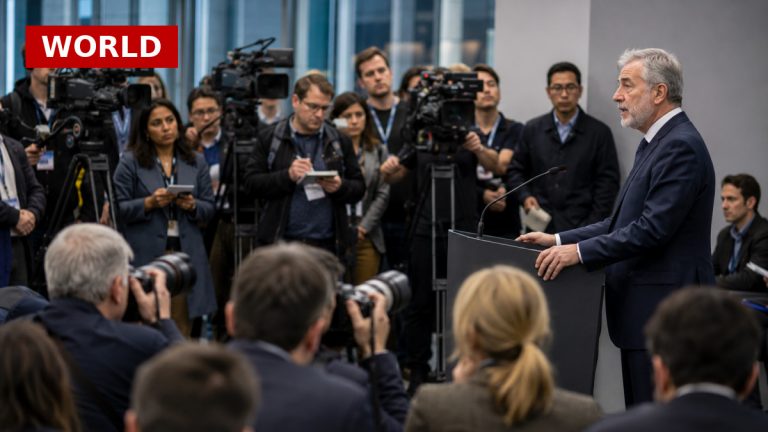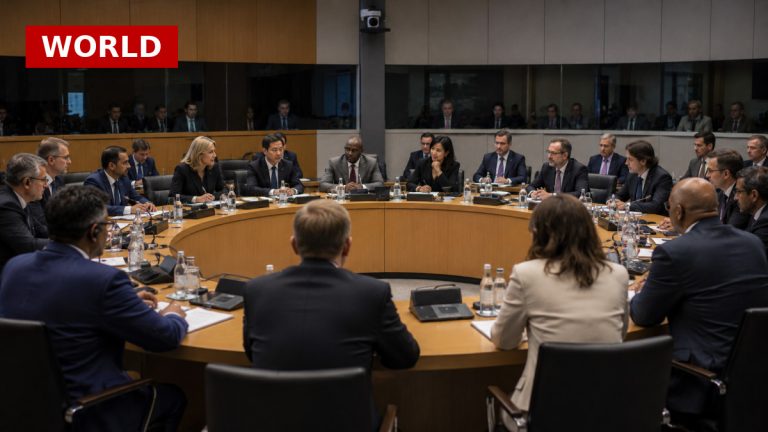
Armenia is currently holding parliamentary elections that could significantly shape its geopolitical future. Prime Minister Nikol Pashinyan, who has steered the country towards closer ties with the European Union, faces off against the pro-Russia Strong Armenia party. This election is not just about political leadership; it serves as a referendum on Pashinyan’s controversial peace efforts with Azerbaijan, a nation Armenia has a fraught history with.
The stakes are high, as Russia has reacted to Armenia’s pivot towards the West with economic threats, including new restrictions on Armenian exports. This could have immediate repercussions for Armenia’s economy, which relies heavily on trade with Russia. The EU, sensing an opportunity, has pledged financial support to counteract Moscow’s influence, but the long-term effectiveness of this aid remains uncertain.
Voter sentiment appears to favour Pashinyan, with polls indicating he may secure around 32% of the vote. However, his government has faced criticism for perceived concessions to Azerbaijan, raising questions about whether his administration can maintain stability while navigating these complex international relations.
As the results unfold, the implications for Armenia’s future alignment—either with the EU or back towards Russia—could reshape not only its domestic policies but also its role in the volatile South Caucasus region. This election is a pivotal moment that could redefine Armenia’s identity and alliances for years to come.
Source: DW News