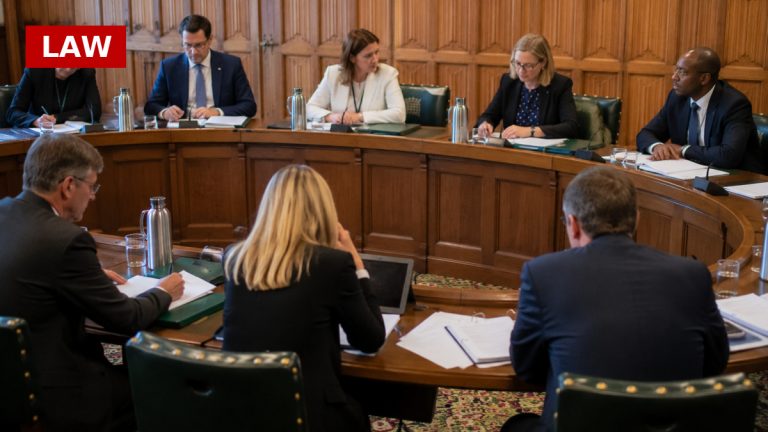
The assisted dying bill, which had garnered significant support in the House of Commons, has failed to progress due to time constraints in the House of Lords. Despite 314 MPs backing the legislation, the Lords could not reach a final decision before the session ended, leaving many campaigners frustrated and questioning the democratic process.
The failure of this bill illustrates the intricate workings of the UK Parliament, particularly how the House of Lords can delay or obstruct legislation, even when there is substantial backing from elected MPs. This situation has raised concerns about the effectiveness of parliamentary procedures and the ability of the Lords to influence issues that are deeply personal and contentious.
For the public, this means that discussions around assisted dying will continue, but the legislative process remains uncertain. The inability to pass the bill may delay access to assisted dying for those who seek it, prolonging the emotional and ethical debates surrounding the issue. Additionally, it may shift parliamentary focus away from pressing issues like the cost of living, as MPs weigh their priorities.
Looking ahead, supporters of assisted dying are optimistic about reintroducing the bill in future sessions, potentially using the Parliament Act to bypass the Lords. However, this raises questions about the willingness of MPs to engage with such a divisive topic again, especially when other urgent matters demand attention.
Sources
BBC News