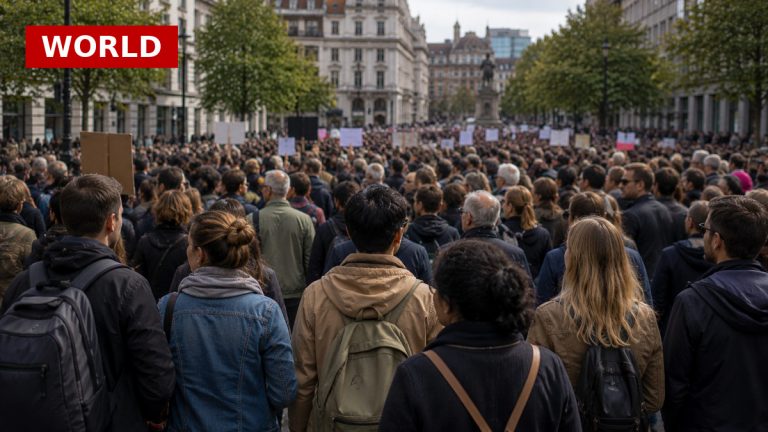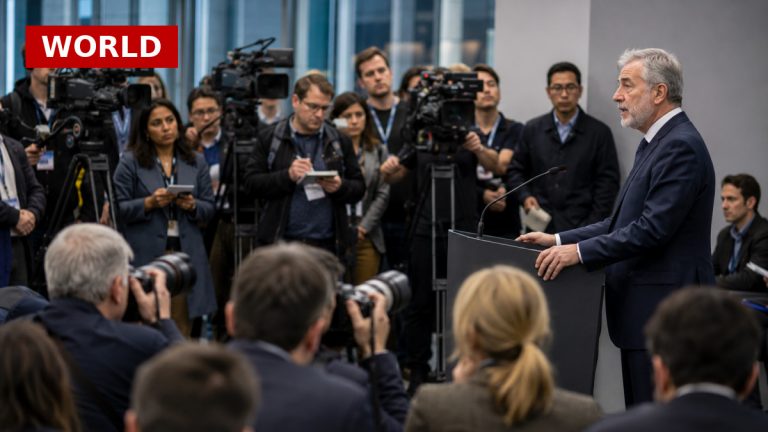
Michelle Bachelet has withdrawn from the race to become the next UN Secretary-General, marking a significant moment in the ongoing leadership dynamics at the United Nations. Her exit, following disappointing poll results, highlights the challenges faced by candidates from underrepresented regions, particularly Latin America, which had hoped for a breakthrough in this election cycle.
Bachelet’s candidacy was seen as a historic opportunity to appoint the first woman to lead the UN, a role that has been predominantly held by men since its inception. Her departure raises questions about the future representation of women and Latin Americans in global leadership positions, especially as the UN grapples with pressing issues like geopolitical tensions and financial instability.
The current Secretary-General, Antonio Guterres, has warned of an impending financial crisis within the UN, with billions in unpaid dues threatening its operations. This backdrop complicates the selection process for his successor, as the new leader will need to navigate these financial challenges while also addressing global crises.
As world leaders prepare for the upcoming General Assembly, the focus will shift to the remaining candidates, who must now contend with the heightened expectations for effective leadership in a time of significant global uncertainty. Bachelet’s exit serves as a reminder of the complexities involved in international governance and the ongoing struggle for equitable representation.
Source: Al Jazeera