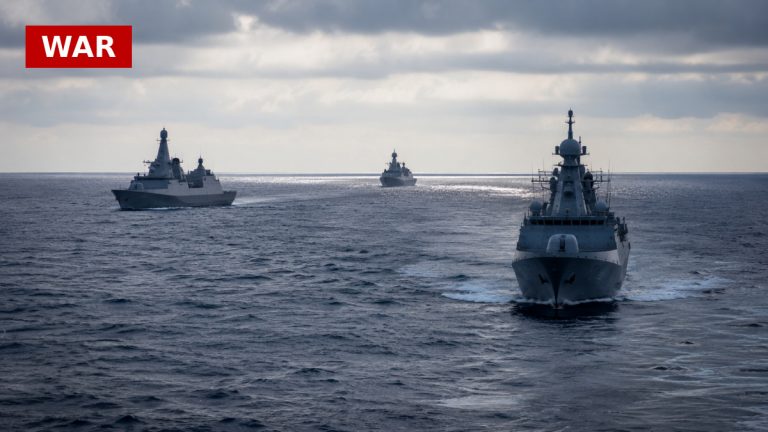
As the conflict in Ukraine continues, Baltic startups are rapidly innovating to counter the hybrid threats posed by Russia. This shift towards defence technology is crucial, as conventional military strategies struggle against the evolving nature of warfare, particularly with the rise of drone usage. The startups in Lithuania, Latvia, and Estonia are focusing on creating low-cost, scalable solutions that can deter aggression, leveraging their agility compared to larger defence contractors.
The emphasis on autonomy, artificial intelligence, and cybersecurity reflects a strategic response to the vulnerabilities exposed by the war. Companies like Repsense are developing tools to combat propaganda, while DefSecIntel is enhancing border surveillance capabilities. These innovations are not just about immediate defence; they represent a long-term investment in national security and resilience against misinformation campaigns.
Despite significant investments in defence, the flow of funds to these startups remains limited. While the Baltic states allocate a high percentage of their GDP to defence, the actual cash available for innovative projects is constrained. This highlights a critical gap that could hinder the sustainability of these emerging companies, which need to tap into export markets to thrive.
The startup culture in the Baltic region, rooted in a history of digital innovation, fosters a strong public consensus around defence. This collective commitment is essential for attracting venture capital and ensuring that these startups can continue to develop technologies that not only defend against current threats but also deter future aggression from Russia.
Source: France 24