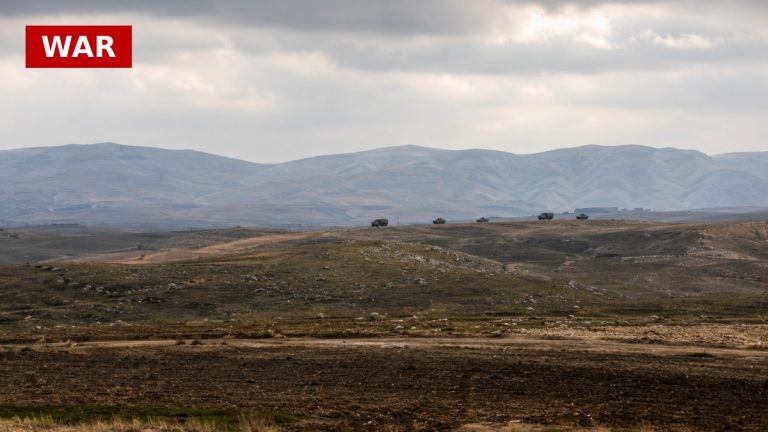
In response to heightened fears of a Russian attack, Baltic states and their NATO allies are ramping up military readiness, despite a consensus that an imminent conventional assault is unlikely. Officials from Finland, Romania, and the Baltic nations assert that while they are enhancing their defences, there is no solid evidence suggesting Russia is preparing for direct confrontation with NATO.
Finnish President Alexander Stubb and Romanian Defence Minister Radu Miruță have both publicly dismissed predictions of an impending attack, citing a lack of supporting intelligence. Instead, they emphasise that increased military preparedness is a deterrent against potential provocations, including cyber threats and airspace violations.
This proactive stance reflects a broader understanding among NATO members that while a full-scale invasion may not be on the horizon, Russia’s hybrid warfare tactics, including sabotage and cyber attacks, pose a significant risk. The Baltic nations, in particular, are on high alert for these forms of aggression, which complicate the security landscape in Europe.
As NATO countries bolster their military capabilities, the situation underscores the importance of vigilance and readiness against a backdrop of ongoing tensions. The emphasis on preparedness rather than panic illustrates a strategic approach to dealing with the evolving threat from Russia, ensuring that NATO remains united and resilient against any form of aggression.
Source: Euronews