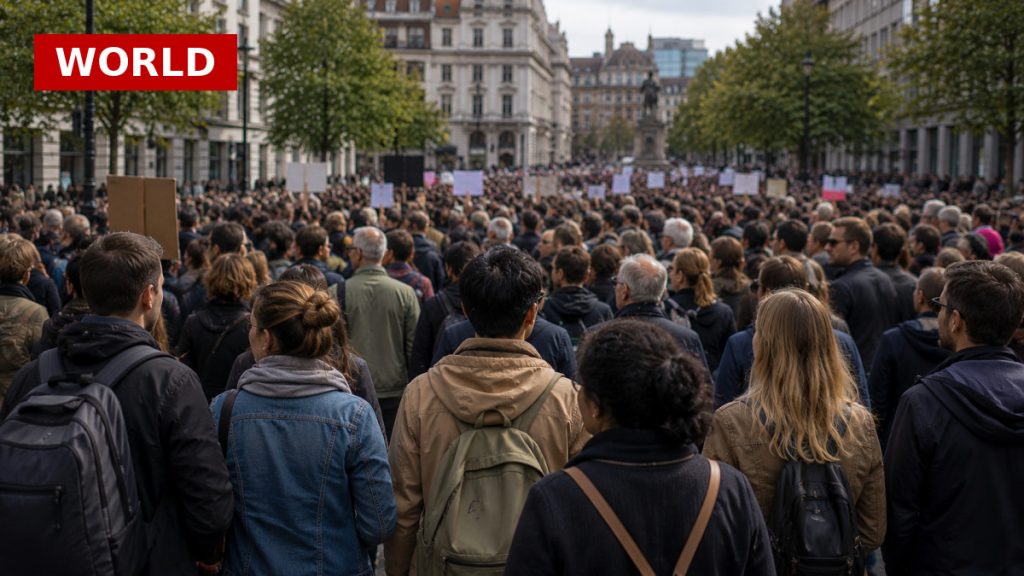
Bangladesh is facing a potential regression in political reforms just two years after a significant student-led uprising that ousted Prime Minister Sheikh Hasina. Critics argue that the current government, led by the Bangladesh Nationalist Party (BNP), is failing to uphold the promises made during the transition to a new political order. The initial reforms aimed to create a more inclusive society and eliminate discrimination, but many feel these goals are being neglected.
The interim government, which took power after Hasina’s departure, introduced a reform roadmap known as the ‘July Charter.’ However, since the BNP’s election victory, there has been a notable stall in implementing key reforms, including those related to human rights and anti-corruption measures. Critics highlight that the BNP’s reluctance to adopt previously agreed ordinances is a betrayal of public trust and a step backward for the nation.
Concerns are growing over the politicisation of institutions and the potential return to practices such as enforced disappearances, which were rampant under Hasina’s rule. The interim government had taken steps to address these issues, including signing the UN Convention against Enforced Disappearances, but the current administration’s proposed changes are seen as weakening accountability measures.
As political tensions rise, the future of Bangladesh’s reform agenda hangs in the balance. The public’s trust in the BNP is waning, and there are fears that without genuine commitment to reform, the country may revert to the very issues that sparked the uprising in the first place.
Source: DW News