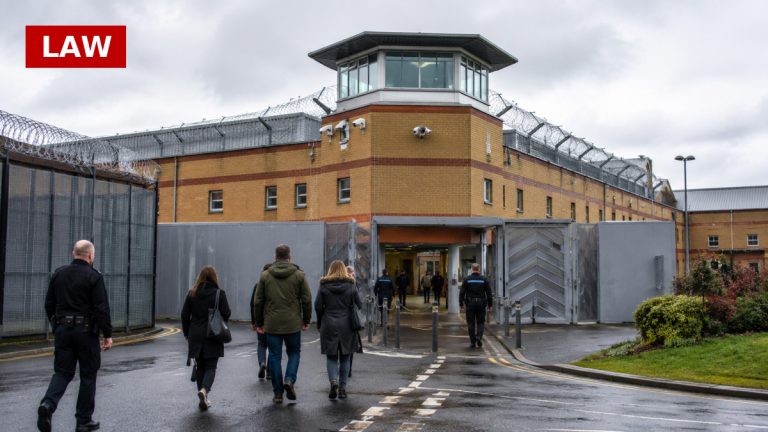
Belgium’s prison overcrowding crisis has reached alarming levels, with conditions deteriorating rapidly. As of mid-May, the country’s 39 prisons housed 13,733 inmates, far exceeding their capacity of 11,064. This overcrowding leads to severe consequences, including increased health risks for inmates, such as scabies and monkeypox, and a lack of access to essential medical care. Detainees often spend 22 to 23 hours a day in their cells, exacerbating mental health issues and hindering rehabilitation efforts.
The situation is compounded by staff shortages, making it nearly impossible to maintain a humane detention system. Critics argue that the government’s response, including plans to build more facilities and transfer inmates abroad, is ineffective and fails to address the root causes of overcrowding. Recent legislative changes aimed at reducing sentences for minor offenses have not alleviated the crisis, as the average detention period continues to rise.
Moreover, Belgium’s approach to detaining undocumented migrants, who make up a significant portion of the prison population, raises ethical concerns. The government is exploring options to rent prison cells in other countries, a move seen as both populist and symbolic, with little real impact on the overcrowding issue. Experts warn that such measures could violate prisoners’ rights and fail to provide long-term solutions.
As the crisis unfolds, the implications for society are profound. The failure to address overcrowding not only affects the lives of inmates but also poses challenges for public safety and the justice system as a whole. Without meaningful reform, Belgium risks perpetuating a cycle of incarceration that undermines rehabilitation and societal reintegration.
Source: Al Jazeera