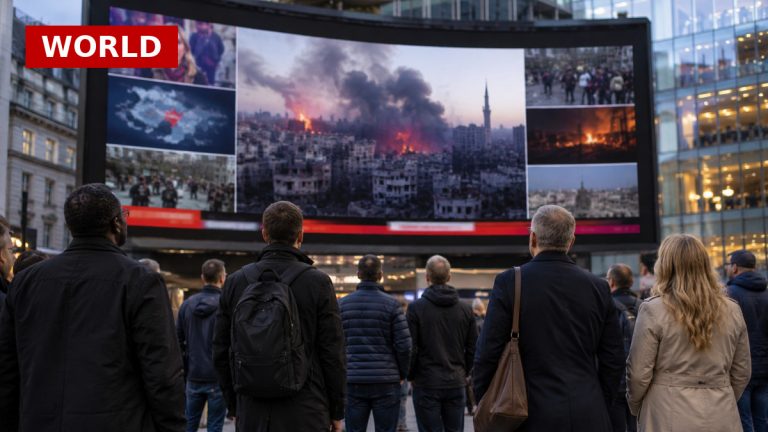
Firefighters in Belgium are grappling with one of the worst wildfires in the nation’s history, exacerbated by challenging terrain and weather conditions. Recent rains have provided some relief, helping to contain the blaze, which has scorched an area roughly half the size of Manhattan. However, the combination of rain and wind has complicated aerial firefighting efforts, raising concerns about the fire’s potential spread towards nearby towns.
The High Fens nature reserve, where the fire is concentrated, presents unique challenges due to its boggy peatlands and dense forests. Accessing certain areas is difficult, limiting ground operations. As firefighters work to encircle the fire, the situation remains precarious, particularly near the German border, where residents have been evacuated due to smoke hazards.
Smoke from the fire has drifted into major cities like Cologne and Wuppertal, prompting health warnings about air quality. Local authorities are advising residents to stay indoors and limit travel, highlighting the broader impact of the wildfire beyond immediate firefighting efforts. The health risks associated with smoke inhalation could affect thousands in the region.
In response to the crisis, Wallonia’s Agriculture Ministry is considering compensation for farmers who assisted in firefighting efforts. This reflects a growing recognition of the community’s role in managing such disasters, as well as the need for coordinated support in future emergencies. The situation underscores the importance of preparedness and community resilience in the face of increasing wildfire threats due to climate change.
Source: DW News