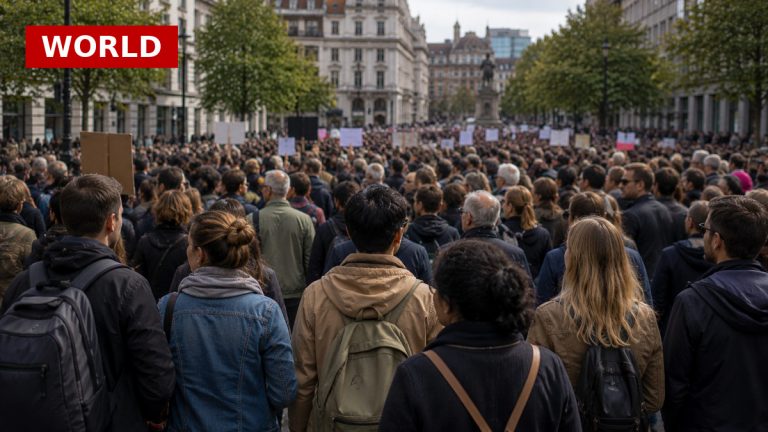
The recent attack at Berlin’s Pride event, where a van was rammed into a crowd, has raised significant concerns about public safety and the potential for further violence. The suspect, Abdul Ballout, was shot dead by police during a raid, highlighting the immediate response to perceived threats in urban areas. This incident not only resulted in tragic loss of life but also underscores the vulnerabilities faced by large public gatherings, particularly those celebrating diversity.
The attack, which left one person dead and 29 injured, has prompted discussions about security measures at events that attract large crowds. With the suspect identified as having a history of radicalisation, authorities are now under pressure to enhance surveillance and preventive measures against similar incidents in the future. This could lead to increased police presence at public events, altering the atmosphere of celebration into one of heightened vigilance.
Moreover, the suspect’s background and previous attempts to join extremist groups raise questions about the effectiveness of de-radicalisation programs. As communities grapple with the implications of such violence, the need for comprehensive strategies to address radicalisation and ensure public safety becomes ever more critical.
As Berlin mourns, the incident serves as a stark reminder of the ongoing challenges in balancing freedom of expression with the need for security. The aftermath will likely influence future policies regarding public safety at cultural events, shaping how cities manage large gatherings in an increasingly complex security landscape.
Source: GB News