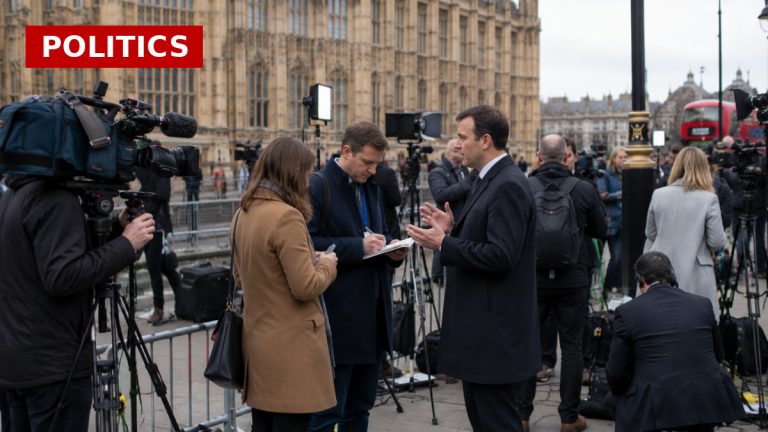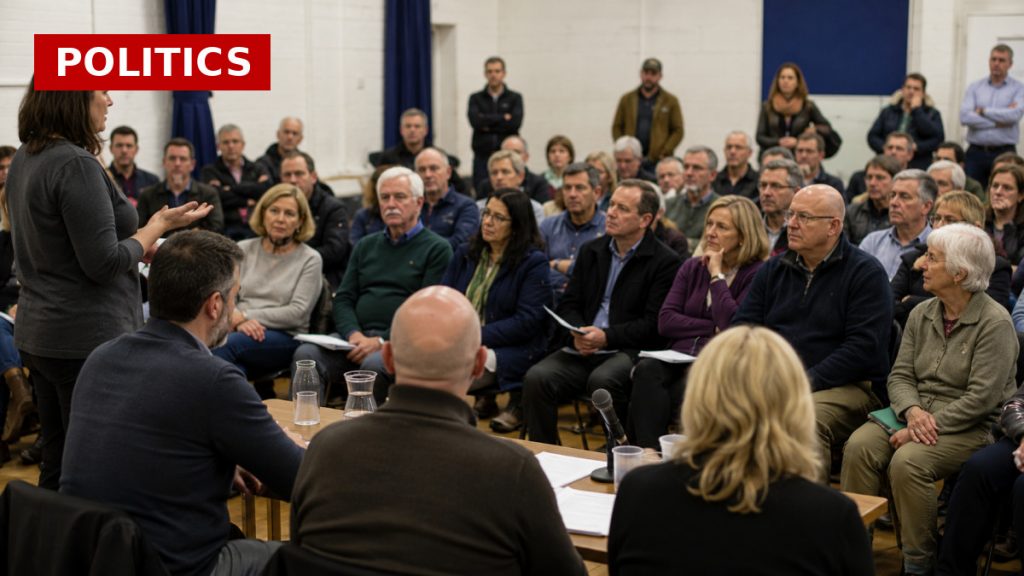
The recent shift in British politics, marked by Andy Burnham’s ascendance as Prime Minister, has left the Conservative Party and Reform UK scrambling to redefine their strategies. With Burnham’s focus on pragmatic governance and local empowerment, the opposition is struggling to counter a narrative that resonates with voters seeking effective solutions rather than ideological battles.
Kemi Badenoch, the Conservative leader, has resorted to invoking the past, warning of a return to the economic turmoil of the 1970s. This tactic, however, appears increasingly hollow as Burnham’s policies reflect a modern approach to governance that prioritises collaboration between government and business. The Conservatives’ inability to present a compelling alternative risks further alienating voters who are disillusioned with traditional party lines.
As Burnham’s government seeks to address contemporary issues through a blend of state and market solutions, the opposition’s challenge will be to articulate a vision that feels relevant and constructive. The political landscape is shifting, and the right’s reliance on nostalgia may not suffice in a climate where voters are looking for tangible improvements in their lives.
The implications of this political chill extend beyond party lines; they signal a potential realignment in British politics. If the Conservatives fail to adapt, they may find themselves increasingly sidelined as voters gravitate towards leaders who offer innovative and practical responses to today’s challenges.
Source: The Guardian