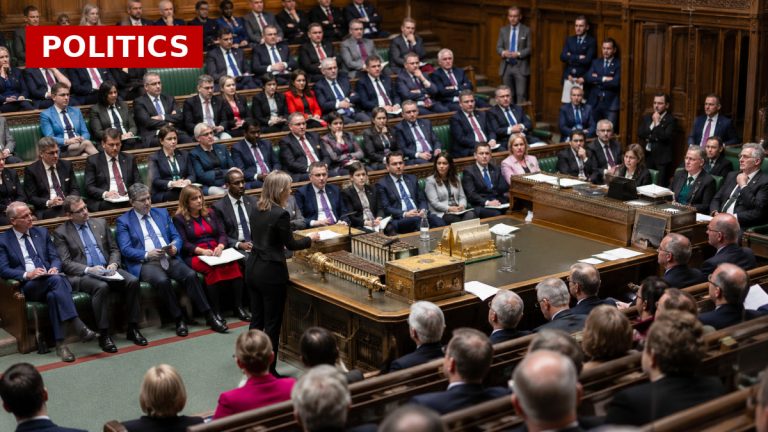
Andy Burnham, the Mayor of Greater Manchester, has recently voiced strong criticisms of former Prime Minister Tony Blair, asserting that ‘neoliberalism has failed Britain’. This statement comes in the wake of a report highlighting the alarming number of young people not engaged in employment, education, or training. Burnham’s remarks suggest a shift in Labour’s approach, advocating for more state intervention in the economy, particularly in response to the ongoing cost of living crisis.
The implications of Burnham’s critique extend beyond party politics; they signal a potential transformation in Labour’s policies that could resonate with voters feeling the pinch of rising living costs. His call for a more interventionist approach may appeal to those disillusioned with traditional neoliberal policies that have dominated UK politics for decades.
As Labour prepares for a possible welfare shake-up, driven by the youth jobs crisis, the party’s direction under current leadership is under scrutiny. Burnham’s comments may indicate a growing divide within Labour regarding how to address economic challenges, particularly for younger generations struggling to find stable employment.
This internal debate could shape Labour’s strategy leading up to future elections, influencing not just party unity but also how effectively they can connect with voters facing economic hardships. The outcome of this ideological clash may ultimately determine Labour’s relevance in addressing the pressing issues of today’s society.
Source: BBC News