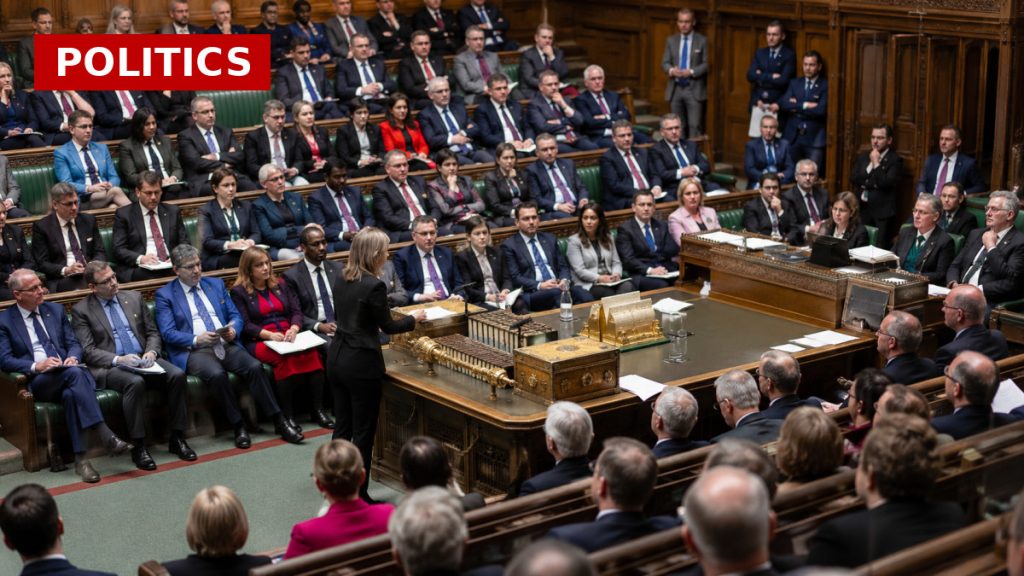
As Prime Minister Andy Burnham settles into his role, his approach to the UK’s relationship with the EU remains a topic of speculation. While he has focused on domestic issues, such as tackling rough sleeping and regulating high street betting, his past statements suggest a desire for a more pro-European stance. This raises questions about how he will balance local priorities with the need for international cooperation.
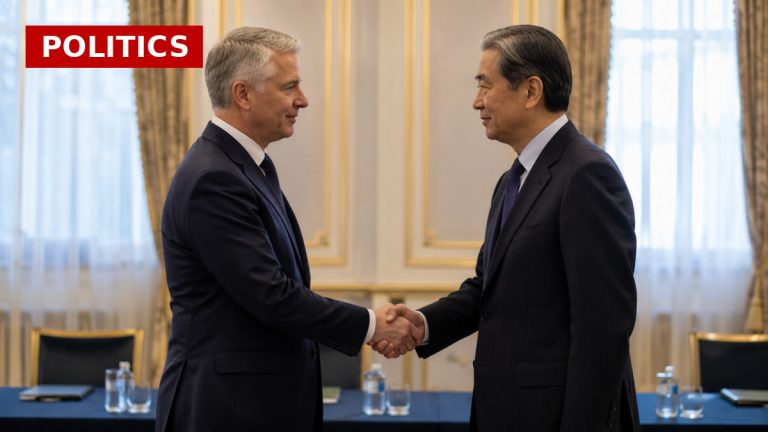
Burnham’s government is expected to continue the efforts initiated by his predecessor, Keir Starmer, to mend ties with Brussels. EU diplomats are optimistic that under Burnham, the UK will seek to remove trade barriers that have hindered economic growth since Brexit. The potential for agreements on agricultural trade and energy markets could significantly impact the UK economy, which has already seen a decline in exports to the EU.
However, Burnham’s focus on devolution and internal reform may complicate his international ambitions. Analysts suggest that while he may not push for rejoining the Single Market, his domestic policies could align with EU interests, particularly in areas like manufacturing and economic sovereignty. This overlap might facilitate the UK’s inclusion in the EU’s industrial strategies.
The ongoing negotiations also include a youth mobility scheme, which could enhance cultural and economic exchanges between the UK and EU. Yet, navigating these talks will require careful consideration to avoid political backlash domestically while fostering a cooperative spirit with European partners. Burnham’s leadership could redefine the UK’s future trajectory in Europe, but the path ahead is fraught with challenges.
Source: Euronews