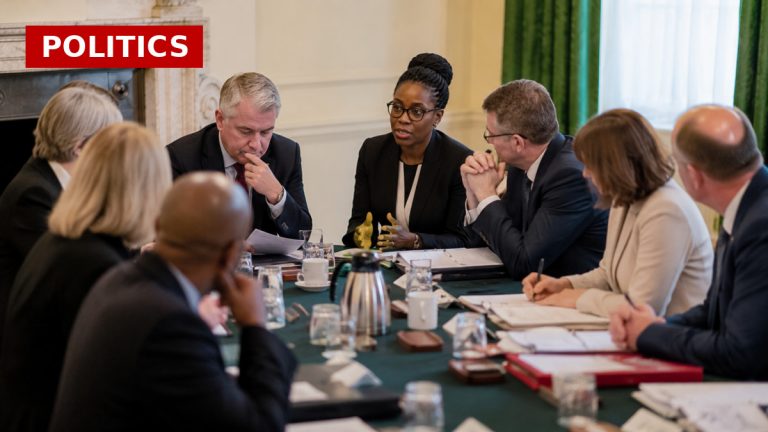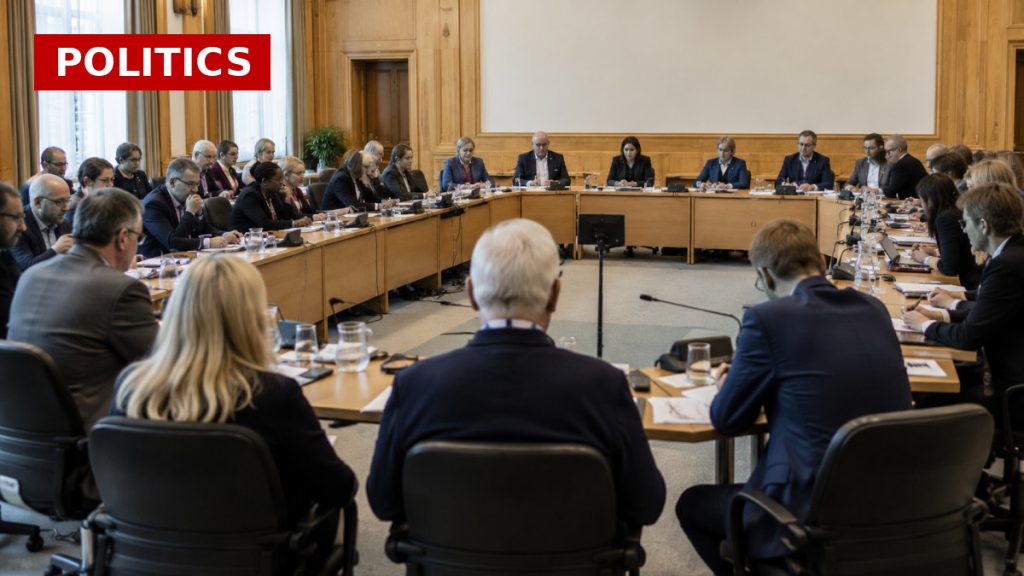
Andy Burnham’s recent rise to Prime Minister marks a significant shift in the UK’s political landscape, particularly in how leaders communicate with the public. Unlike his predecessor, Keir Starmer, Burnham is leveraging social media platforms like TikTok and Reddit to engage with voters directly, opting for a more casual and relatable approach. This strategy aims to create a stronger connection with the electorate, especially among younger demographics who are increasingly influential in shaping political narratives.
However, this shift raises questions about the sustainability of such an approach. Burnham’s early policies, described as ‘sugar rush’ measures, include immediate financial reliefs like a VAT cut on energy bills and a cap on bus fares. While these initiatives may provide short-term relief, critics argue they lack the depth of long-term solutions that Starmer aimed for. The challenge will be whether Burnham can balance immediate public appeal with the need for substantial policy reform.
Moreover, Burnham’s promise to decentralise power through initiatives like No 10 North highlights a potential shift in governance style, aiming to empower local communities. This contrasts with Starmer’s more traditional, centralised approach. However, the effectiveness of this new structure remains to be seen, particularly as Burnham consolidates power within his administration.
As Burnham navigates his new role, the political landscape will be watching closely. His ability to maintain public interest while delivering on more complex issues will be crucial. The question remains: can this new style of leadership translate into lasting change, or will it be seen as merely a temporary trend?
Source: The Guardian