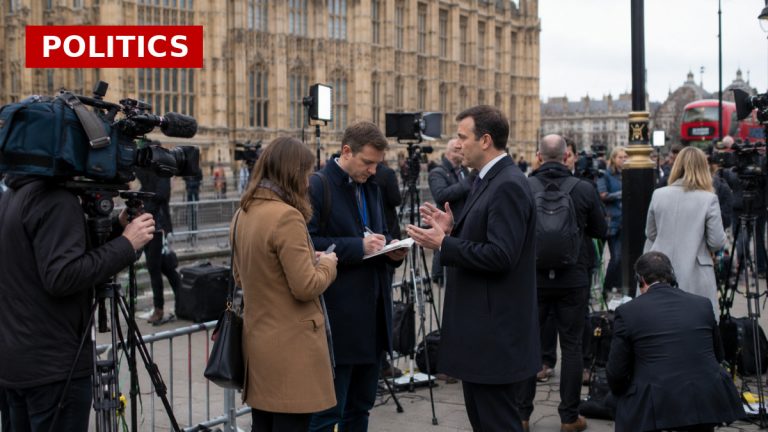
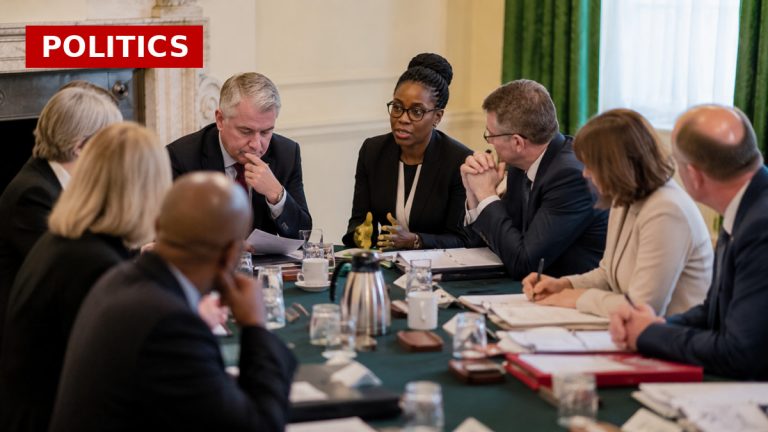
The first ministers of Wales, Scotland, and Northern Ireland have signalled a significant shift in the UK’s political landscape, advocating for independence referendums. This summit marks a pivotal moment, as leaders from these Celtic nations unite under a memorandum of understanding, asserting that Westminster’s influence is waning. They argue that the people should determine their own futures, challenging the UK government’s authority to block such democratic processes.
The leaders’ collaboration highlights a growing momentum for constitutional change, with each nation seeking varying degrees of autonomy. While Scottish independence and Irish reunification are hot topics, the leaders also aim to address pressing issues like child poverty and the cost of living. This cooperation could reshape regional governance and economic strategies, potentially leading to a more fragmented UK.
Polling indicates rising support for independence, particularly in Scotland, where nearly half of voters favour leaving the UK. The leaders’ calls for change come as the UK government remains focused on economic stability rather than constitutional debates, which could lead to tensions between devolved administrations and Westminster.
As discussions continue, the implications for the UK’s unity and governance structure are profound. The outcome of these movements could redefine relationships within the UK, necessitating a broader dialogue that includes England’s role in this evolving political framework.
Source: The Guardian