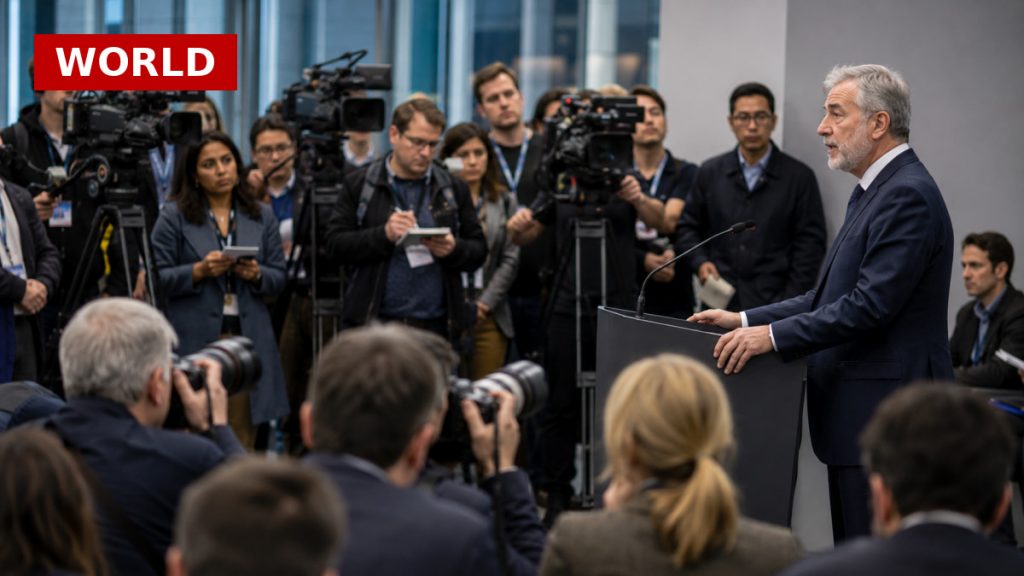
The recent migrant crisis in Ceuta, where over 72,000 people crossed from Morocco, has raised significant concerns across Europe. Spanish Prime Minister Pedro Sanchez has publicly absolved Morocco of involvement, instead suggesting that disinformation campaigns from Russia and Israel were at play. This assertion highlights the complex interplay between migration and geopolitical tensions, revealing how misinformation can exacerbate humanitarian crises.
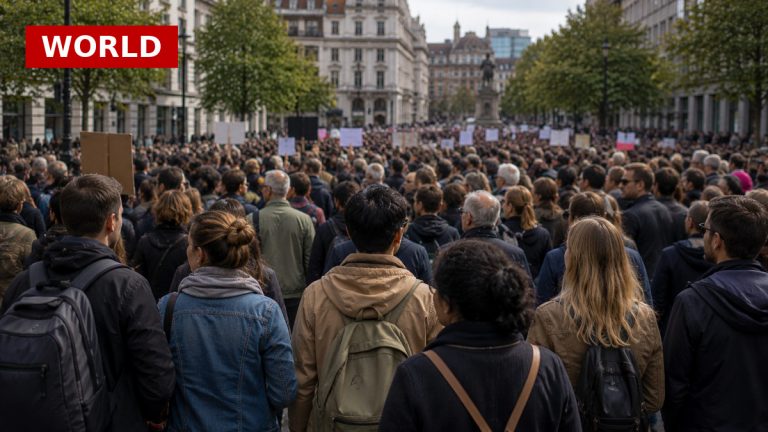
Sanchez’s claims suggest that misleading narratives on social media may have encouraged the influx, with migrants believing they could stay in Spain. This shift in perception not only impacts border security but also influences local economies and social dynamics in Ceuta, where protests against the government’s response have been frequent.
The Spanish government is now mobilising substantial funds to address the crisis, including an additional €168 million aimed at revitalising the local economy. This financial commitment underscores the economic strain that such crises can impose on local communities, particularly in regions like Ceuta, which already face unique challenges due to their geographical position.
As the situation unfolds, the ramifications of these events extend beyond immediate humanitarian concerns, potentially reshaping Spain’s migration policies and its diplomatic relations with neighbouring countries. The ongoing discourse around disinformation also raises questions about how governments can better manage narratives that influence migration flows.
Source: GB News