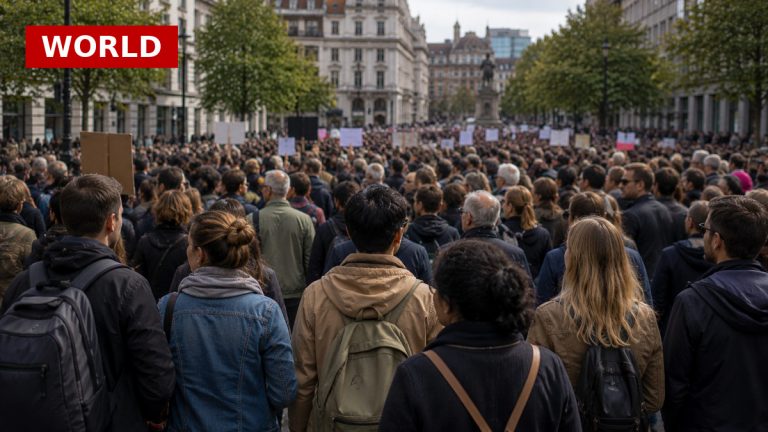
Recent clashes in Ceuta, a Spanish exclave, have spotlighted the ongoing migrant crisis and rising local tensions. Protesters clashed with police and set fire to a migrant camp, reflecting deep frustrations over the influx of migrants from Morocco. This unrest follows a significant surge in arrivals, with over 70,000 migrants entering Ceuta in July alone, many of whom are still present despite efforts to repatriate them.
The local population of Ceuta, around 84,000, is grappling with the strain of thousands of migrants living on the streets or beaches. While the Spanish government claims fewer than 7,000 migrants remain, local officials estimate the number is closer to 10,000. This discrepancy has fueled discontent among residents, who feel overwhelmed by the situation.
Political ramifications are also significant, as the conservative opposition criticizes Prime Minister Pedro Sanchez’s handling of the crisis. With general elections approaching, calls for a tougher immigration policy are growing louder, potentially reshaping Spain’s approach to migration and its relations within the EU.
The situation in Ceuta serves as a microcosm of broader European migration challenges, raising questions about humanitarian responses and national security. As tensions escalate, the implications for local communities and national policy could be profound, affecting both migrants and residents alike.
Source: DW News