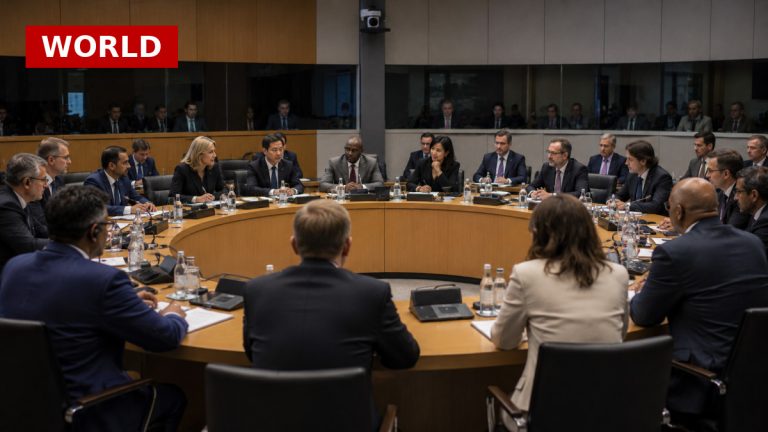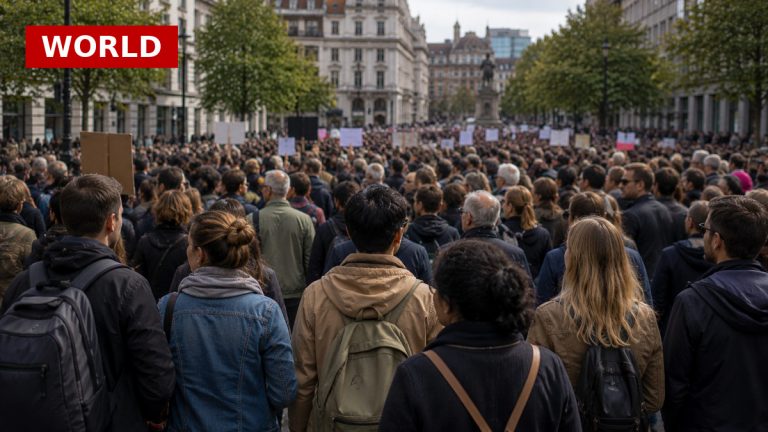
The recent influx of 60,000 migrants into Ceuta from Morocco has reignited tensions within the EU regarding immigration policies. This unprecedented event has led Spain to call for an urgent meeting of EU interior ministers, highlighting divisions among member states over how to handle migration. Italy and Denmark have suggested suspending Spain from the Schengen Area, which has angered Madrid and raised questions about the effectiveness of current EU migration strategies.
The situation underscores a growing divide in the EU, with some countries blaming Spain for its immigration policies while others advocate for stricter measures. As Spain returns most migrants to Morocco, the EU’s response will likely shape future immigration legislation. The New Pact on Migration and Asylum, which aims to tighten border controls and manage asylum applications, is already under scrutiny as member states debate their responsibilities.
EU leaders, including Ursula von der Leyen, have emphasized the need for collective action to protect external borders. However, the political fallout from this crisis may lead to further isolation for Spain within the EU, as it faces criticism for its handling of the situation. The upcoming meeting will be crucial in determining the direction of EU immigration policy and the balance of responsibility among member states.
This incident serves as a reminder of the complexities surrounding migration in Europe, where humanitarian concerns often clash with political agendas. As the EU grapples with these challenges, the implications for future migration flows and policies will be significant, affecting not only Spain but the entire region.
Source: France 24