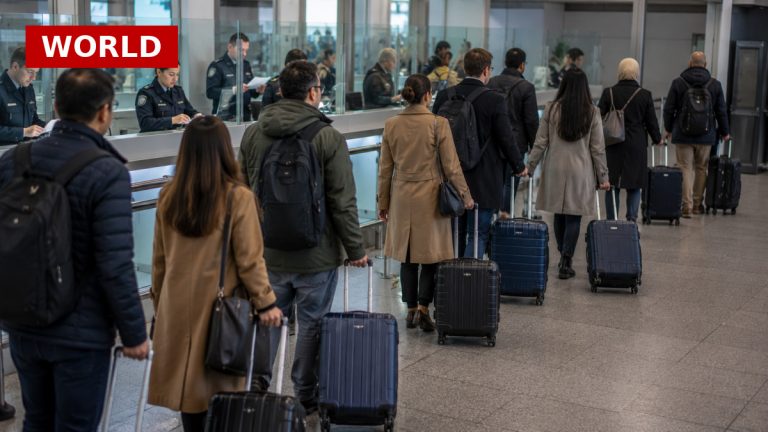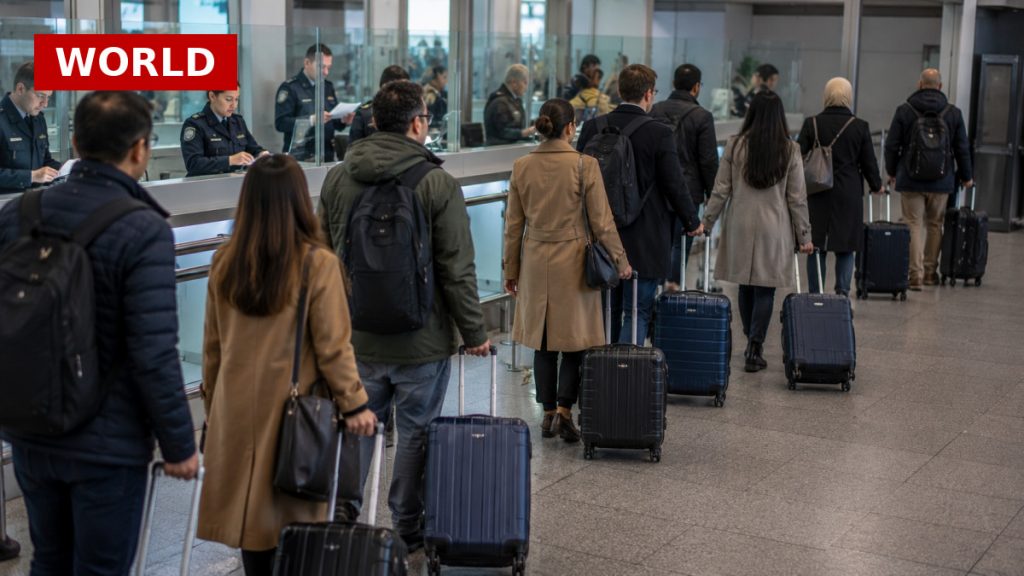
Ceuta, a small Spanish exclave, recently experienced an unprecedented influx of migrants, with around 60,000 crossing from Morocco in just two days. While most have returned home, the event has left deep social and political scars. The tragic loss of at least 72 lives during this surge has reignited debates about immigration policies in Europe, highlighting vulnerabilities in border management and humanitarian responses.
Local residents are divided on the implications of this crisis. Some blame the authorities for inadequate border control, while others express concern over the potential for rising tensions among the city’s diverse cultural communities. The arrival of far-right politicians has further complicated the situation, as they leverage the crisis to push anti-immigrant sentiments, stirring fears of division in a city known for its multicultural harmony.
The aftermath is not just a local issue; it reflects broader trends in European immigration policy and the challenges of managing sudden surges in migrant populations. As Ceuta grapples with its identity and the humanitarian fallout, the incident serves as a warning sign for other border regions in Europe, where similar crises could emerge.
Looking ahead, the events in Ceuta may prompt a reevaluation of immigration strategies across Europe, as nations confront the realities of migration in a globalised world. The need for effective policies that balance humanitarian concerns with security is more pressing than ever.
Source: France 24