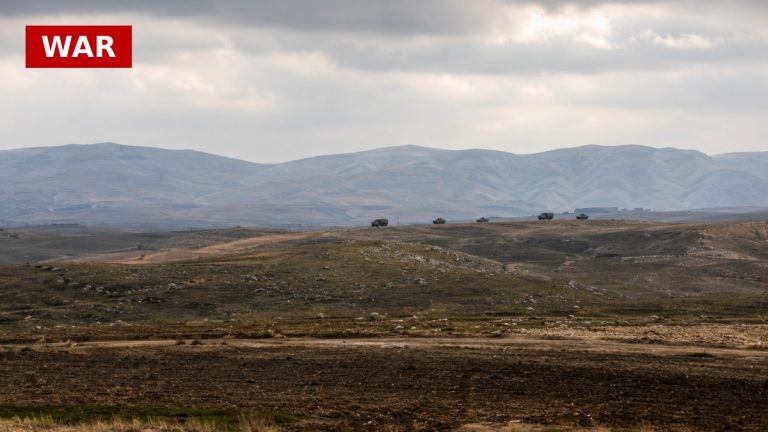
Lebanon and Israel recently signed a framework agreement aimed at ending hostilities, but it hinges on Hezbollah’s disarmament, a condition the group firmly rejects. This creates a precarious situation, as Hezbollah’s leader has labelled the agreement a ‘humiliation’ and vowed to continue fighting until Israel withdraws completely from Lebanon.
The deal’s effectiveness is further complicated by historical precedents; previous ceasefire agreements have often failed to materialise, raising doubts about the current framework’s viability. The Lebanese army is expected to take over security responsibilities in areas from which Israel would withdraw, but many believe it lacks the capacity to confront Hezbollah effectively.
Moreover, the agreement includes provisions to prevent funding from reaching non-state armed groups, which could impact Hezbollah’s financial support from Iran. However, the group’s entrenched position and public support complicate any disarmament efforts, potentially leading to civil unrest.
As tensions simmer, the agreement’s long-term success appears uncertain. The ongoing conflict dynamics suggest that without a significant shift in Hezbollah’s stance or external pressures, the path to peace remains fraught with challenges.
Source: PBS News