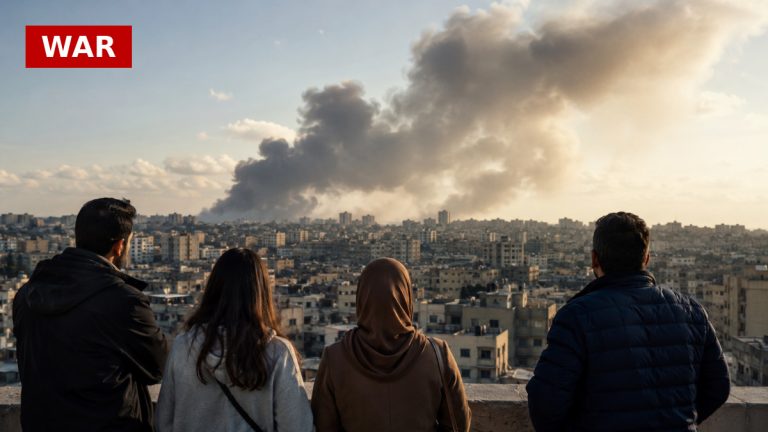
The recent framework agreement between Israel, Lebanon, and the US aims to ease tensions and restore Lebanese sovereignty, particularly concerning Hezbollah. However, the deal has been met with skepticism, especially from Hezbollah, which outright rejected the terms. This rejection raises questions about the agreement’s viability and the potential for renewed conflict in the region.
Israeli Prime Minister Benjamin Netanyahu has attempted to reassure citizens, especially those in northern Israel, that the agreement will not compromise their security. He emphasized that Israel will maintain a buffer zone until Hezbollah is disarmed, but this stance may not be sustainable politically. The Israeli public remains divided on the agreement, with many fearing it could embolden Hezbollah.
Local leaders in northern Israel expressed cautious optimism, stressing that any withdrawal must be contingent on Hezbollah’s disarmament. This reflects a broader concern that the Lebanese government may lack the capacity to manage Hezbollah effectively, which complicates the implementation of the agreement.
Analysts suggest that the framework may serve more as a diplomatic gesture than a concrete solution, with some arguing it could inadvertently strengthen Iranian influence in Lebanon. As the situation develops, the effectiveness of this agreement in achieving lasting peace remains uncertain, highlighting the complexities of Middle Eastern geopolitics.
Source: Al Jazeera