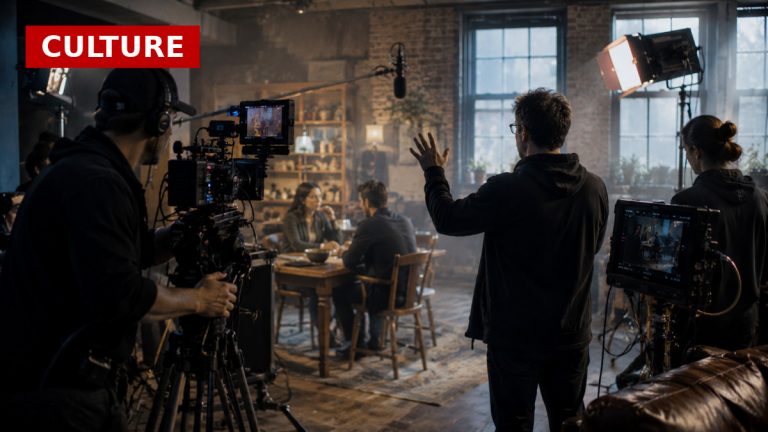
Christopher Nolan’s latest film, an adaptation of Homer’s The Odyssey, represents a significant financial and artistic risk, with a reported budget of £250 million. Following the success of Oppenheimer, this project marks a daring leap into the realm of epic storytelling, aiming to captivate audiences worldwide. Nolan’s approach to the material is not just about visual spectacle; he aims to explore the complex narrative structures inherent in the ancient text, which could redefine how such stories are presented in modern cinema.
The film’s success hinges not only on its artistic merit but also on its ability to draw audiences back to theatres in an era where streaming dominates. Nolan acknowledges the pressure of audience expectations, stating that he makes films for viewers, and their response will ultimately determine the film’s fate. This gamble could reshape the landscape of big-budget filmmaking, particularly in how studios approach adaptations of classic literature.
Moreover, the film’s production was influenced by Nolan’s personal experiences, including the recent addition of a pet dog, which he humorously connects to the narrative of The Odyssey. This personal touch may resonate with audiences, adding an emotional layer to the film’s epic scope. As Nolan navigates this ambitious project, the implications for both his career and the film industry are profound.
As the premiere approaches, industry watchers are keenly aware that the outcome could set a precedent for future adaptations of literary classics. If successful, it may encourage studios to take similar risks, potentially leading to a renaissance of high-budget literary adaptations that challenge conventional storytelling in cinema.
Source: The Guardian