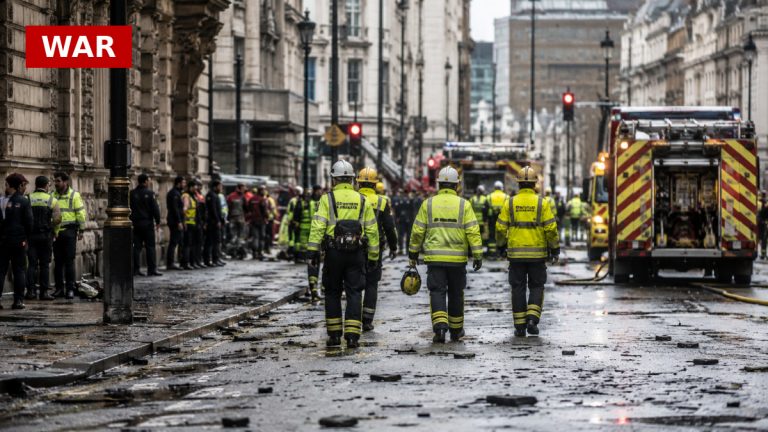
The recent drone strike in northern Ukraine, which killed a woman and her 9-year-old son, highlights a troubling trend in the ongoing conflict. July marked the deadliest month for Ukrainian civilians since the invasion began, with a staggering increase in casualties. The United Nations reported that civilian deaths surged by 70% compared to the previous year, indicating a significant escalation in hostilities.
This spike in violence is not just a statistic; it reflects a broader strategy by Russia to intensify its military operations. Russian Foreign Minister Sergey Lavrov’s comments about using harsher methods signal a potential shift in tactics that could lead to even more civilian suffering. As the conflict continues, the humanitarian impact is becoming increasingly dire, with families facing the threat of violence in their own homes.
Moreover, the implications of these attacks extend beyond immediate casualties. The destruction of infrastructure and homes disrupts daily life and exacerbates the already critical humanitarian crisis in Ukraine. With the conflict dragging on, the psychological toll on civilians is likely to increase, affecting community resilience and stability.
As international diplomatic efforts continue, the situation remains precarious. The rising civilian death toll may prompt calls for more robust intervention from global powers, potentially reshaping the geopolitical landscape. The urgency for a sustainable peace agreement is more pressing than ever, as the war’s human cost continues to mount.
Source: PBS News