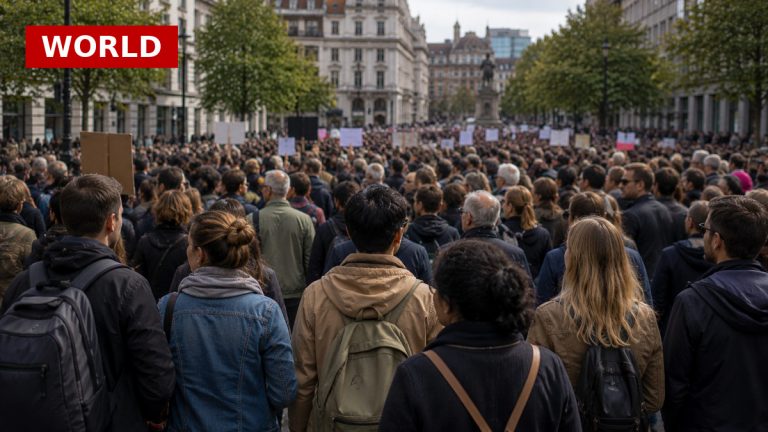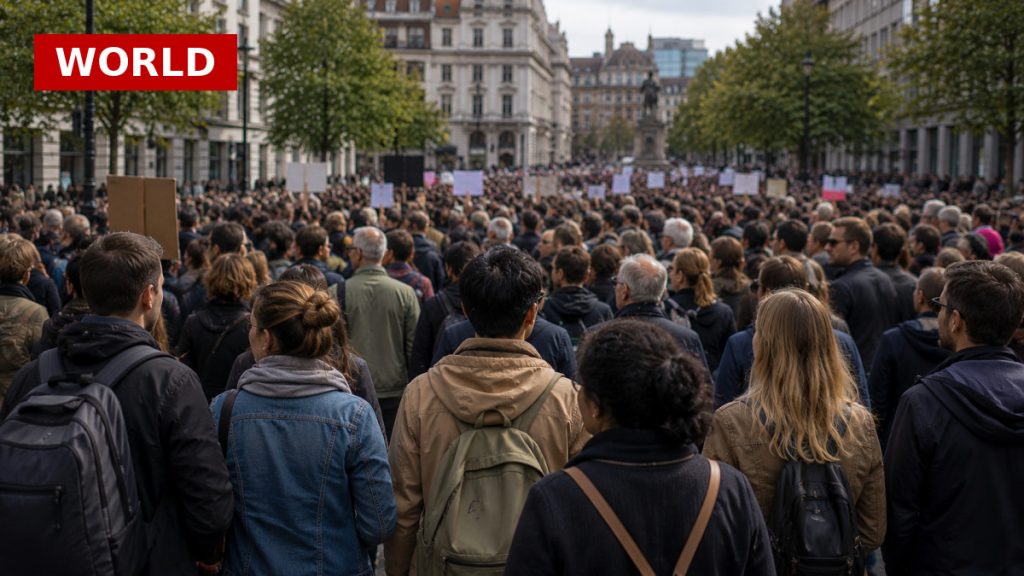
Colombia’s new president, Abelardo de la Espriella, has initiated a significant shift in immigration policy, ordering raids to deport undocumented migrants. This move primarily targets Venezuelans, a group that has sought refuge in Colombia amid their home country’s crisis. The president’s rhetoric mirrors that of former US President Trump, emphasizing a ‘Colombians first’ approach, which could foster a climate of fear among migrants.
The implications of this crackdown extend beyond immediate deportations. It marks a departure from Colombia’s previous welcoming stance towards Venezuelan migrants, who had been granted temporary residency permits under the previous administration. This change could disrupt the lives of millions who have relied on these protections for access to healthcare and employment.
As deportations begin, the potential for increased tensions between Colombian citizens and migrants looms large. The president’s focus on crime reduction as a justification for these actions may inadvertently perpetuate negative stereotypes about migrants, despite evidence suggesting they do not commit crimes at higher rates than locals.
This policy shift could also have long-term repercussions for Colombia’s economy, which has benefited from the contributions of Venezuelan migrants. As the government prioritizes deportations, the social fabric of communities that have integrated these migrants may face strain, leading to broader societal challenges in the future.
Source: Euronews