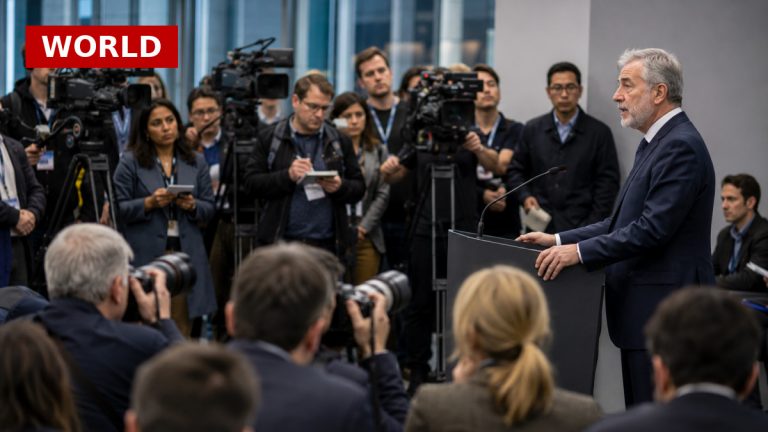
Colombians recently faced a pivotal choice in their presidential runoff, highlighting a deep national divide. The election featured Abelardo de la Espriella, a conservative outsider, and Iván Cepeda, a progressive lawmaker aligned with the outgoing leftist president, Gustavo Petro. This contest is significant as it reflects the ongoing struggle between traditional political ideologies and the desire for change in a country grappling with violence and economic instability.
The candidates’ contrasting approaches to Colombia’s issues underscore the urgency of the situation. De la Espriella’s hardline stance, supported by figures like Donald Trump, promises a crackdown on crime, while Cepeda aims to continue Petro’s dialogue with armed groups. This election is not just about leadership; it represents a critical juncture for Colombia’s future, particularly in the wake of a historic peace deal that has struggled to maintain stability.
As violence resurges, with rising homicide rates and extortion cases, voters are increasingly anxious about their safety and economic prospects. The outcome of this election could shape Colombia’s trajectory for years to come, influencing everything from public safety to international relations, especially with the U.S. and its stance on drug trafficking.
Ultimately, the choice between these two candidates may determine whether Colombia can break free from its cycle of violence and corruption or whether it will continue to face the same challenges that have plagued it for decades. The implications of this election extend beyond borders, as the world watches how Colombia navigates its complex political landscape.
Source: PBS News