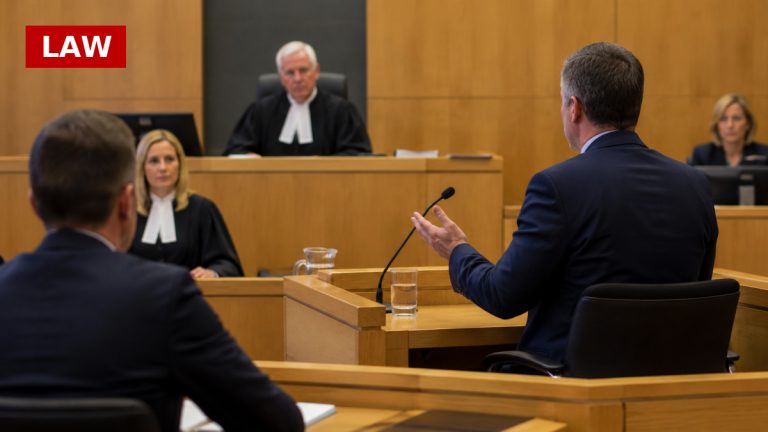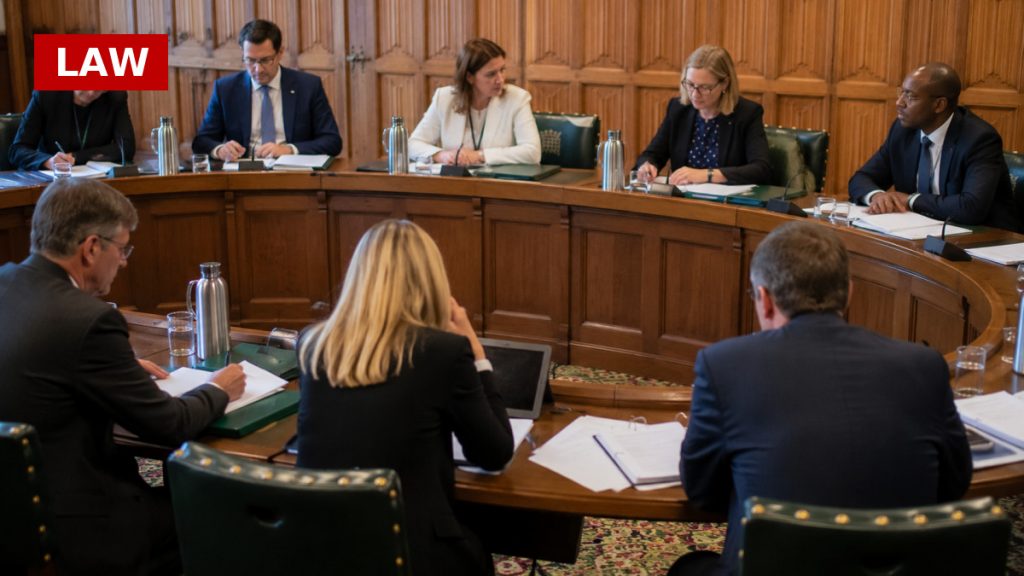
Labour’s proposal to release high-risk offenders has sparked significant debate, particularly regarding public safety. Critics, including former justice secretaries, warn that this could lead to dangerous individuals being reintegrated into society, undermining efforts to protect victims of crime.
The plan involves ending Imprisonment for Public Protection (IPP) sentences, which have kept certain offenders incarcerated indefinitely. While Labour MP Alex Davies-Jones insists that victim support remains a priority, the introduction of GPS tagging and restriction zones raises questions about the effectiveness of these measures in ensuring public safety.
Davies-Jones argues that the reforms aim to address historical injustices faced by those on IPP sentences, many of whom have served significantly longer than their original sentences. However, the complexity of balancing rehabilitation with community safety remains a contentious issue, as critics highlight the potential risks of releasing individuals deemed dangerous.
As the government explores options to alleviate prison overcrowding, including the possibility of releasing female prisoners, the implications of these decisions could reshape the landscape of criminal justice in the UK, affecting both offenders and victims alike.
Source: GB News