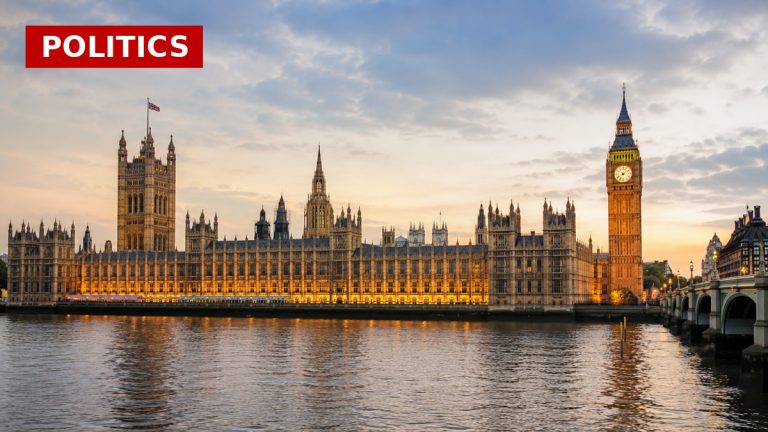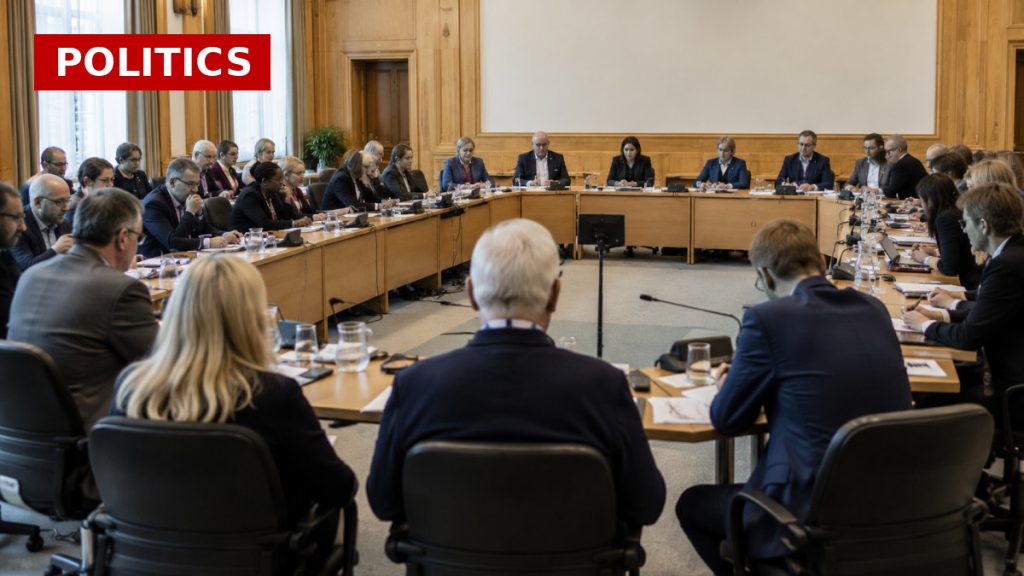
The recent vote in the US House of Representatives to limit President Trump’s military actions in Iran marks a significant moment in US politics, reflecting a growing bipartisan concern over the ongoing conflict. While the resolution passed with support from four Republicans, its impact remains largely symbolic due to Trump’s veto power and the Republican majority in the Senate. This situation highlights a shift in public sentiment, particularly among Republicans, as the war’s economic repercussions begin to affect American households and global trade.
The invocation of the War Powers Act by Congress underscores a critical debate about the balance of power between the presidency and legislative authority in matters of war. As the conflict drags on, the mounting civilian casualties and economic fallout are prompting lawmakers to reconsider the implications of military engagement without congressional approval. This could lead to a more cautious approach to future military interventions, as lawmakers grapple with the consequences of prolonged conflict.
Despite the House’s vote, the reality is that Trump could still launch further military actions in Iran, as the Senate has yet to take decisive action. The fragile ceasefire complicates the situation further, with both sides continuing to engage in hostilities. This ongoing tension raises questions about the effectiveness of legislative measures in curbing presidential military power, especially in a politically divided environment.
As the situation evolves, the implications for US foreign policy and domestic politics will be significant. The growing dissent within the Republican Party may signal a shift towards a more restrained approach to military conflicts, potentially reshaping the future of US engagement in the Middle East and beyond.
Source: Al Jazeera