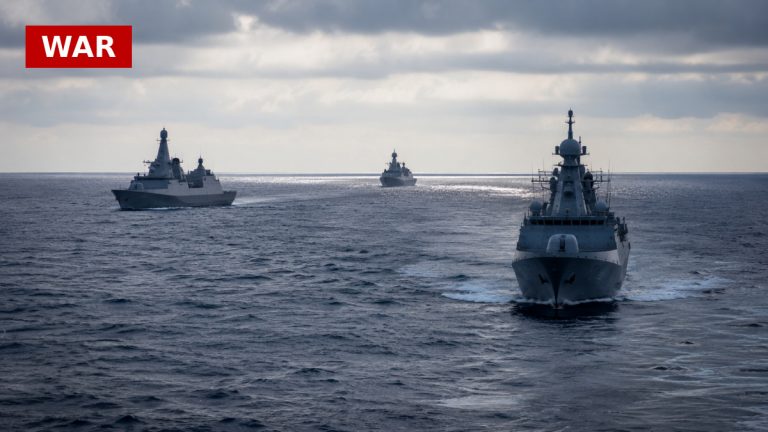
The recent resumption of shipping through the Strait of Hormuz marks a significant moment in global energy logistics, but the question of who will control this vital waterway remains unresolved. With Iran and the US announcing a deal to end hostilities, the implications for oil prices and international shipping are profound. The strait is crucial, carrying a fifth of the world’s oil, and any instability could lead to price surges and economic repercussions worldwide.
Despite US President Trump’s optimism about the reopening, Iranian officials have hinted at a shared management model with Oman, raising concerns about regulatory control. Iran’s previous claims to extend its control into UAE waters have prompted warnings from Gulf states, indicating potential conflicts ahead. The situation is further complicated by Iran’s plans to impose maritime service fees, which Oman has rejected, highlighting the fragility of the agreement.
As the world awaits the formal signing of the deal, the potential for renewed tensions looms large. Iran’s history of broken commitments casts doubt on the durability of any agreements made. The implications for energy security and international relations are significant, as any disruption could lead to increased oil prices and economic instability.
The outcome of this situation will not only affect energy markets but also the geopolitical landscape in the region. The delicate balance of power in the Strait of Hormuz will be crucial in determining future shipping routes and economic flows, making it a focal point for global attention in the coming months.
Source: Euronews