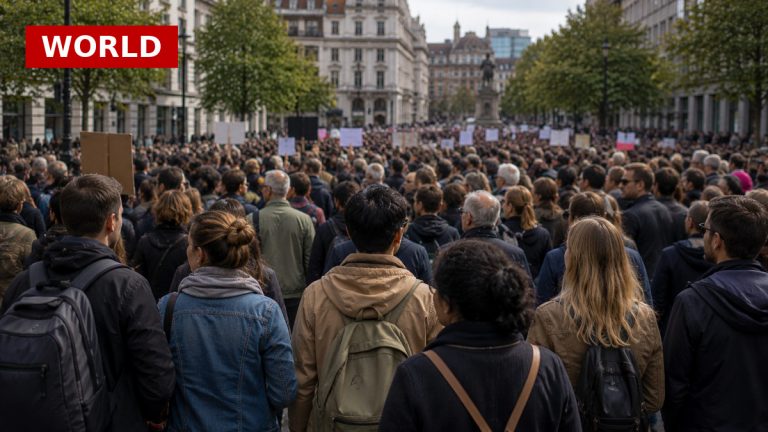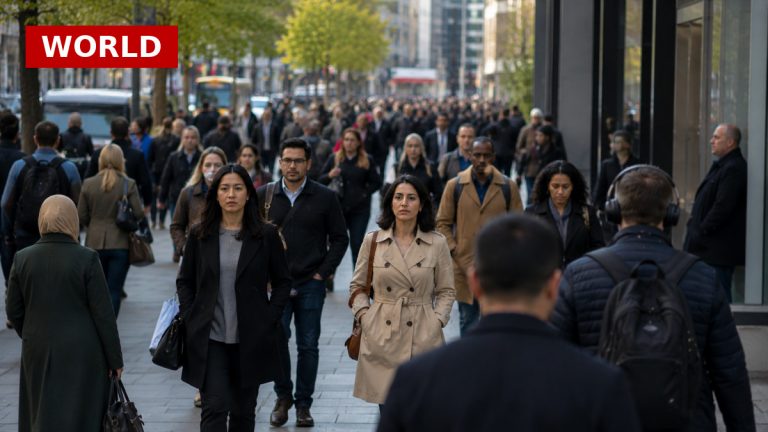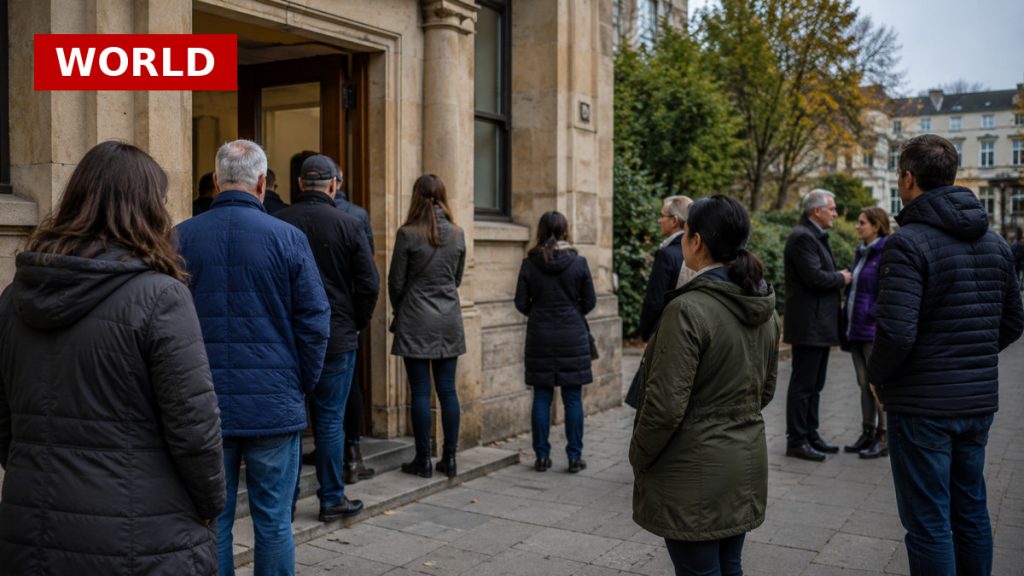
A proposal in Bnei Brak, an Israeli city with a significant ultra-Orthodox population, to segregate men and women on certain streets has ignited a fierce debate about gender equality and public space. While the municipality began preparations for physical separations, backlash from various groups led to a halt in the project, raising concerns about the implications for broader societal norms.
The initiative reflects a growing trend towards conservatism in Israel, where Orthodox families are increasing in number. Critics fear that allowing such segregation could set a precedent that undermines gender equality, especially with upcoming elections that could empower more hardline factions. This situation is compounded by a recent law permitting gender-segregated university courses, which some argue may hinder women’s access to higher education and professional fields.
Historically, the Israeli Supreme Court has ruled against mandatory segregation in public spaces, indicating a legal framework that supports gender equality. However, the current political climate suggests a potential shift in societal values, as conservative groups gain influence. The implications of these changes could resonate beyond Bnei Brak, affecting national policies and the rights of women across Israel.
As the Knesset prepares for elections, the outcomes of these debates will likely shape the future of Israeli society, particularly regarding the balance between religious traditions and modern democratic principles. The ongoing discussions highlight the tension between maintaining cultural practices and ensuring equal rights for all citizens.
Source: DW News