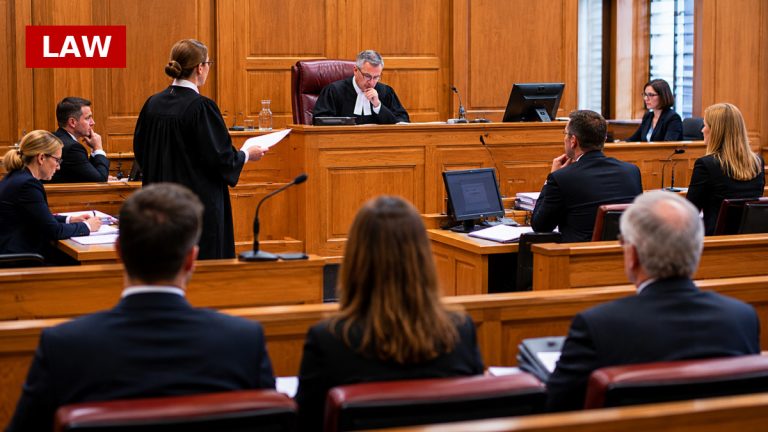
Rachida Dati, a former French culture minister, is on trial in Paris facing corruption charges linked to her dealings with the Renault-Nissan carmaking group. Accused of illegal lobbying, Dati allegedly accepted €900,000 in lawyer’s fees from a Renault-Nissan subsidiary while serving as a member of the European Parliament. The court must determine the legitimacy of these payments, with prosecutors arguing they were disguised lobbying fees, a practice prohibited for MEPs.
The implications of this trial extend beyond Dati herself, as it highlights potential vulnerabilities in lobbying regulations within the EU. If found guilty, Dati could face up to 10 years in prison and a significant fine, which may deter similar practices among current and former politicians. This case also brings attention to the broader issue of transparency in political financing and the influence of corporate interests in legislative processes.
Dati’s legal team firmly denies the allegations, asserting that her work was legitimate legal representation. However, the prosecution’s evidence, including a contract signed with Carlos Ghosn, suggests a more complex relationship that could reshape perceptions of political integrity in France. The outcome of this trial may set a precedent for how lobbying is regulated and scrutinised in the future.
As the trial unfolds, it raises critical questions about the accountability of public officials and the need for stricter enforcement of lobbying laws. The public’s trust in political institutions could be at stake, depending on the verdict and its implications for future governance and corporate influence in politics.
Source: The Guardian