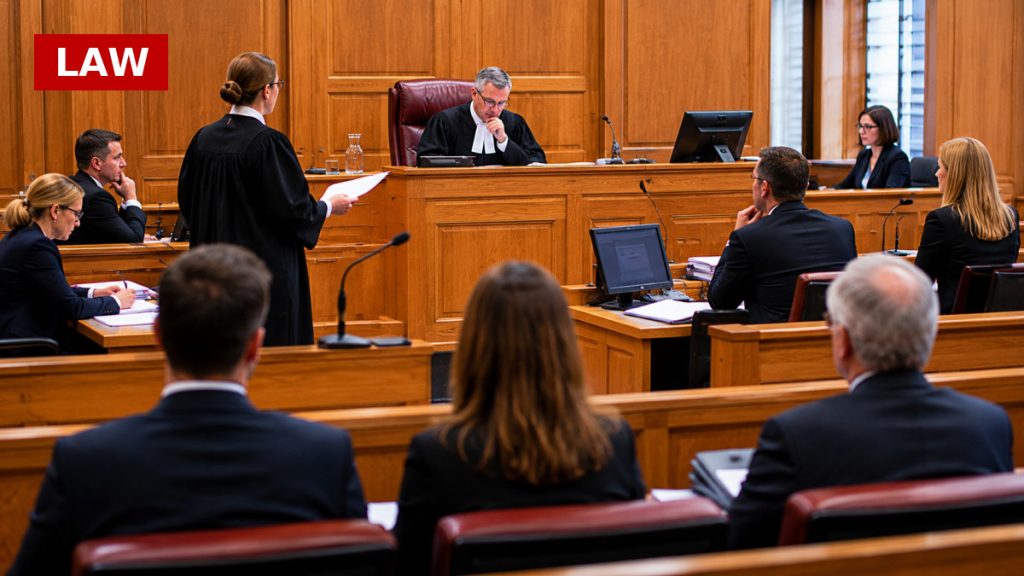
The High Court is currently reviewing the government’s decision to use a former military camp in East Sussex to house up to 540 asylum seekers. This move has sparked significant protests and legal challenges from local campaigners, who argue that the Home Office acted without the necessary transparency. They claim that the decision to classify the situation as an ’emergency’ under planning rules was inappropriate, raising concerns about the implications for local communities and the treatment of asylum seekers.
During the court proceedings, the Home Office defended its actions, stating that it engaged with local authorities and relevant bodies prior to the decision. The Secretary of State’s representative argued that the need to accommodate asylum seekers was a response to a statutory duty, aimed at preventing homelessness and destitution among vulnerable individuals. However, campaigners question whether the situation truly constitutes an emergency, highlighting the potential for long-term impacts on local infrastructure and community relations.
The legal challenge, initiated by the community interest group Crowborough Shield, underscores the tension between government policy and local sentiment. As the court deliberates, the outcome could set a precedent for how similar situations are handled in the future, particularly regarding the use of emergency powers in planning decisions.
The judge has indicated that a ruling will be made after careful consideration of the arguments presented. This case not only reflects current debates around immigration policy but also raises broader questions about community engagement and the responsibilities of local and national authorities in accommodating asylum seekers.
Source: BBC News