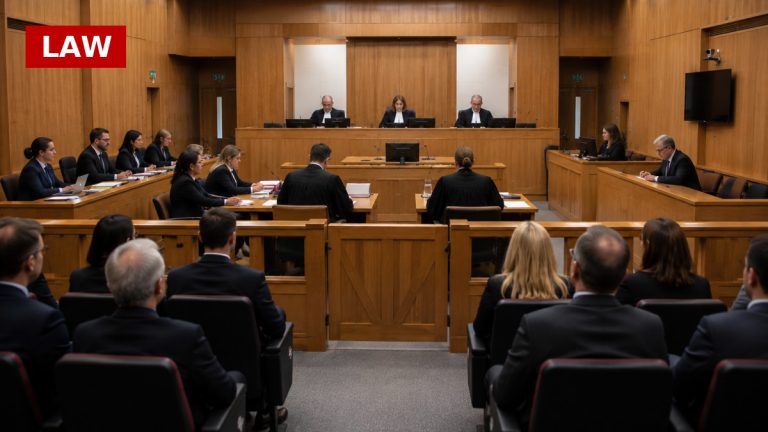
A recent ruling by the US Court of Appeals has significant implications for military justice, particularly regarding the authority of civilian courts over military convictions. The court determined that only military tribunals can assess court-martial convictions, effectively reinstating Bowe Bergdahl’s conviction for desertion. This decision underscores the limitations of civilian judicial power in military matters, which could influence future cases involving service members.
Bergdahl, who was captured by the Taliban after leaving his post in Afghanistan, had previously sought to have his conviction overturned, claiming violations of his constitutional rights. However, the appeals court ruled that the jurisdiction to vacate such judgments lies solely within military courts, reinforcing the separation between civilian and military legal systems.
This ruling may deter other service members from seeking redress in civilian courts, knowing that military justice remains the primary avenue for addressing grievances. The implications extend beyond Bergdahl’s case, potentially affecting how military personnel perceive their rights and the judicial processes available to them.
As military justice continues to evolve, this decision highlights the ongoing debate about the balance of power between civilian and military legal frameworks, raising questions about accountability and the treatment of service members under the law.
Source: Al Jazeera