The suspension of train services to Crimea following a Ukrainian drone strike has significant implications for the region’s economy and daily life. With the railway being a crucial link for both passengers and goods, this disruption exacerbates existing fuel shortages and limits access to essential supplies. The situation is further complicated by restrictions on road traffic, making it increasingly difficult for residents to travel or conduct business.
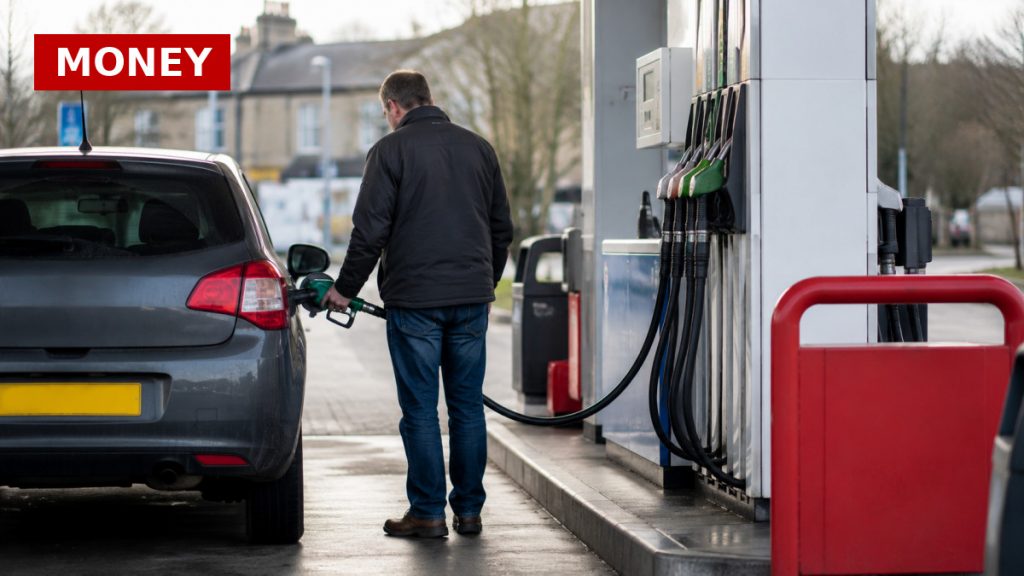
As gasoline shortages worsen, local authorities have implemented a coupon system for fuel distribution, prioritising public transport and essential services. This has led to long queues at petrol stations, highlighting the strain on everyday life for Crimeans. The economic impact is palpable, with hotel bookings dropping significantly, indicating a decline in tourism, which is vital for the region’s economy.
Moreover, the ongoing drone campaign by Ukraine aims to tighten the logistical grip on Russian forces in Crimea, potentially altering the balance of power in the region. The closure of key transport routes not only affects military logistics but also disrupts civilian life, as many residents rely on these connections for work and healthcare.
The ripple effects of these developments could lead to a broader humanitarian crisis in Crimea, as shortages of food and fuel become more pronounced. As the conflict continues, the situation remains precarious, with ordinary citizens bearing the brunt of the ongoing hostilities.
Source: Radio Free Europe/Radio Liberty