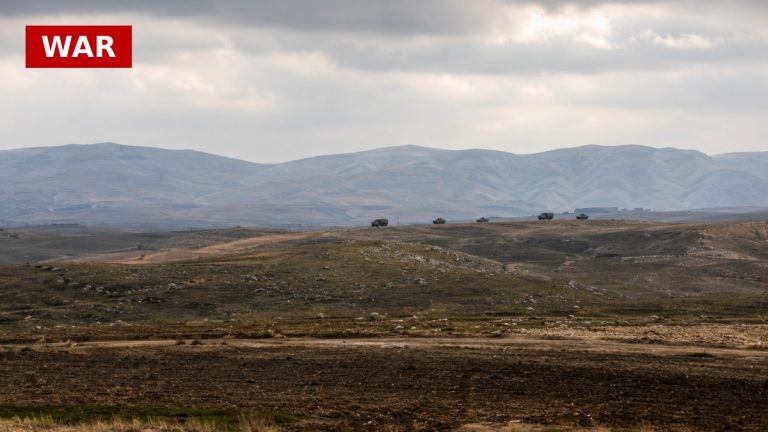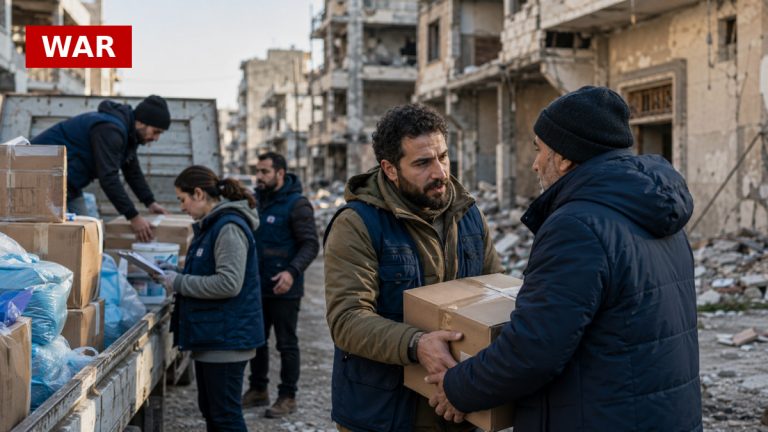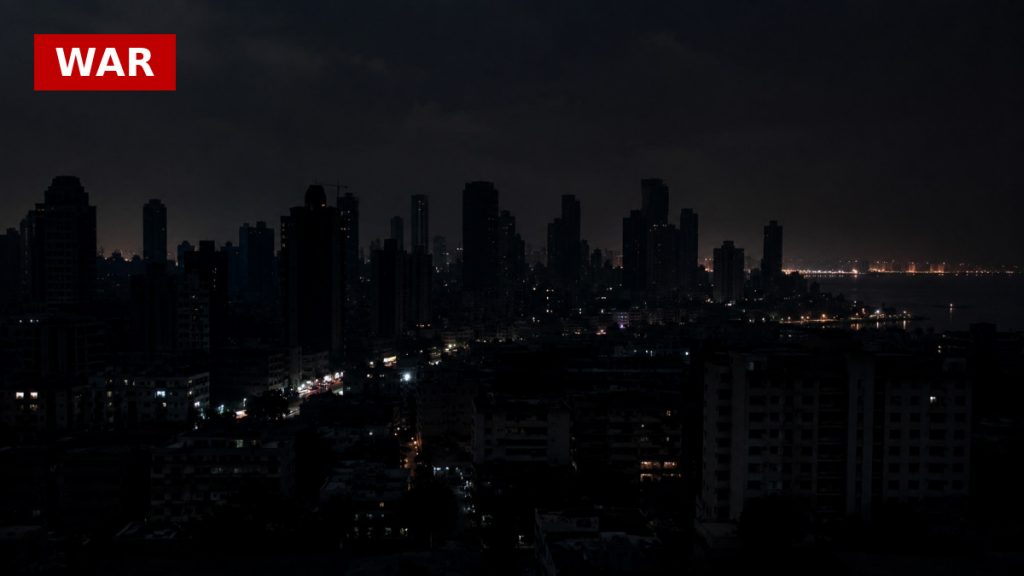
As Ukraine ramps up its drone strikes in Crimea, the region faces unprecedented lockdown measures, significantly impacting daily life for residents. Public transport has been restricted, with major shops and cafes forced to close early, while authorities have implemented additional nighttime bans on motorbike use to minimize noise that could alert to incoming drones. These measures indicate an escalating effort to disrupt Russian military logistics and infrastructure in the area.
The strikes have targeted key logistical routes, including a rail bridge crucial for supplying Russian forces. The damage to infrastructure not only affects military operations but also disrupts energy supplies and public services, leading to rolling blackouts and heightened tensions within the local population. This situation reveals the vulnerabilities in Russian-controlled territories and the potential for increased civilian unrest.
Furthermore, the Kremlin is responding with its own restrictions, including a suspension of diesel fuel exports to preserve domestic supplies. This could have cascading effects on fuel availability and prices, not just in Crimea but across Russia, potentially straining the economy further. The Russian government is now facing pressure to manage both military setbacks and domestic discontent.
As Ukraine continues its targeted attacks, the implications extend beyond immediate military objectives, suggesting a shift in the power dynamics in the region. Ongoing restrictions and the psychological impact of the drone warfare may alter the social fabric of Crimea, leading to long-term changes in civil-military relations and local governance.
Source: The Guardian