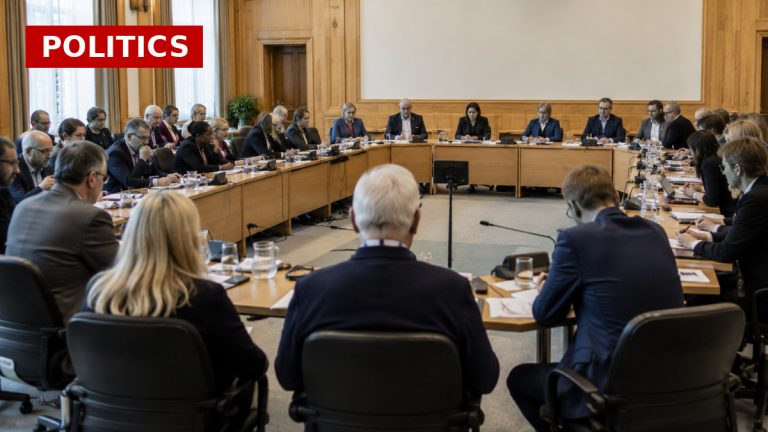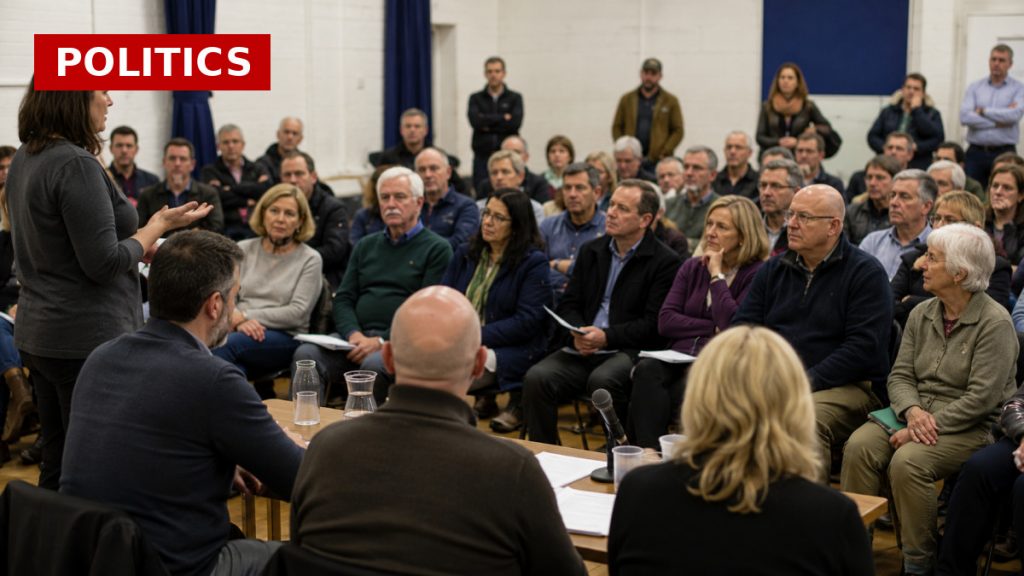
Cyprus is currently experiencing one of its most politically charged election days in decades, with over 568,000 citizens voting to elect 56 MPs. This election is not just about parliamentary representation; it reflects a significant test for political parties and their leaders, as well as the relationship between the electorate and the political system.
The backdrop to this election is marked by rising concerns over the cost of living, migration issues, and corruption, which have dominated the campaign discussions. Voter turnout has been satisfactory despite adverse weather conditions, indicating a strong public interest in the political landscape.
Party leaders are making strong statements as they cast their votes, highlighting the importance of political stability and addressing national issues, particularly the ongoing Cyprus problem. The results of this election could reshape the political map of Cyprus, with implications for governance and policy direction in the coming years.
As the votes are counted, the immediate focus will be on how the new parliament will address pressing issues like economic stability and public trust in government. The outcomes may also influence how citizens engage with their political representatives moving forward, potentially altering the dynamics of party loyalty and public participation in future elections.
Source: Euronews