The Czech government’s recent decision to eliminate licence fees for public broadcasters has sparked significant debate about media independence. By shifting to direct state budget financing, critics argue that this move could compromise editorial freedom, making broadcasters vulnerable to political influence.
This change, framed by officials as a modernization effort, aligns the Czech Republic with other EU nations that have abandoned the licence fee model. However, many journalists and media advocates fear that the new funding structure will lead to increased government oversight and reduced accountability for public media.
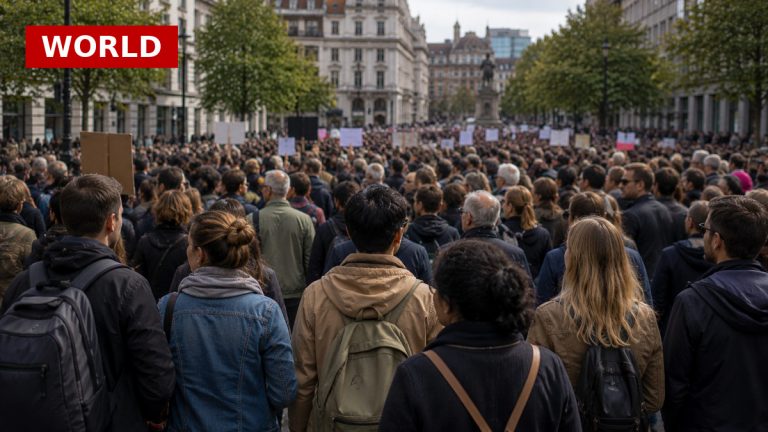
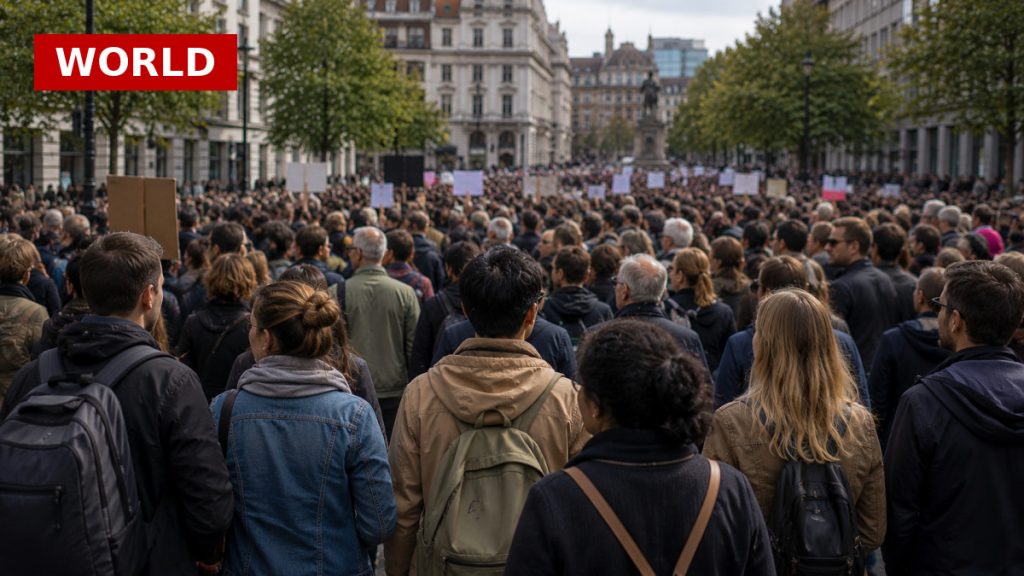
Protests have erupted, with staff at Czech TV and Czech Radio staging strikes to voice their opposition. The public outcry reflects broader concerns about the implications for democracy and press freedom in the country, as the legislation could set a precedent for further governmental interference in media operations.
As the bill progresses through parliament, the potential for long-term impacts on Czech journalism remains a critical issue. The outcome could influence not only the future of public broadcasting in the Czech Republic but also serve as a warning for other nations considering similar reforms.
Source: Euronews